
In this article
- The Short Answer
- What Counts as "Utilities"?
- Average Utility Bill per Month, Bill by Bill
- How Much Do Utilities Cost per Month for an Apartment?
- Average Gas Bill for a 1-Bedroom Apartment, Specifically
- State-by-State: Where the Normal Utilities Cost Runs High or Low
- Seasonal Swings: Why One "Average Month" Misleads
- What Your Lease Says About Who Pays
- What Drives Your Bill Up or Down
- How to Lower Every Bill Without Moving
- Building Utilities Into Your Monthly Budget
- Frequently Asked Questions
- Final Takeaway
The Short Answer
The average cost of utilities per month for a U.S. household lands around $395–$470, depending on whether you count phone and streaming services. For a renter, the price of utilities for an apartment usually runs $150–$300 a month without internet and $200–$380 with internet, according to renter-focused surveys compiled in 2026. A typical one-bedroom apartment in a mild climate pays roughly $150–$250 all-in; a cold-climate one-bedroom in winter can hit $250–$350 once the gas heater runs full-time.
Here are the headline averages you should anchor on:
| Bill | Typical household average | Typical apartment range | Biggest driver |
|---|---|---|---|
| Electricity | ~$142–$151/mo | $70–$180/mo | AC in summer, heating in winter, building age |
| Natural gas | ~$72/mo (gas users) | $25–$120/mo | Winter heating, water heater, stove |
| Water + sewer | ~$80–$110/mo combined | $30–$80/mo | Occupancy, local rates, leaks |
| Trash / recycling | ~$30–$60/mo | $20–$50/mo | City pickup vs. private valet service |
| Internet | ~$58–$81/mo | $45–$95/mo | Speed tier, fiber vs. cable, promotions expiring |
Use those numbers as a planning baseline, not a guarantee. Your actual average utilities monthly cost moves with your state, your square footage, how many people live with you, and what your lease makes you pay. The sections below break every bill down, show how apartment size changes the total, and give you concrete ways to lower each line.
What Counts as “Utilities”?
Real estate listings, leases, and budget apps use the word “utilities” loosely, and that ambiguity costs renters money at move-in. In the strict sense, utilities are the essential services that keep a dwelling habitable: electricity, natural gas (or heating fuel), water, sewer, and trash/recycling pickup. Most landlords and budgeting guides also group two recurring services into the utility bucket: internet, and sometimes a landline or mobile phone plan.
A practical split looks like this:
- Essential, usually tenant-paid: electricity, gas, water/sewer, trash, internet.
- Essential, sometimes landlord-paid: water, sewer, trash, and gas heat in master-meter buildings; sometimes water and trash in mid-size apartment complexes.
- Optional lifestyle services: cable TV, streaming bundles, home security monitoring, and paid phone plans. These are living expenses, not utilities, but they land in the same monthly stack of bills.
The Census Bureau and the Bureau of Labor Statistics track the essential group under “utilities, fuels, and public services,” and their 2024 Consumer Expenditure Survey shows the average household spending $4,736.50 a year in that category — about $395 a month before internet, which the survey tracks separately at roughly $58 a month for all households. That national average mixes single renters, families, and homeowners, so it overstates what a one-person apartment pays and understates what a four-person house pays.
Average Utility Bill per Month, Bill by Bill
This section answers the most common search directly: what is the average cost of utilities per month, and which line eats the most money? The table below uses BLS household averages for context and typical payer ranges for planning.
| Bill type | BLS / official average | What payers actually see | Notes |
|---|---|---|---|
| Electricity | $1,832.89/yr ≈ $153/mo (BLS 2024); EIA 2025 avg bill $150.68 | $90–$220/mo | EIA tracks ~874 kWh average use at ~17.2¢/kWh |
| Natural gas | $492.57/yr ≈ $41/mo all households; EIA gas users ~$72/mo | $35–$180/mo | Only ~half of U.S. households use gas |
| Water + sewer | $559.48/yr ≈ $47/mo all households | $55–$150/mo combined for payers | Sewer often costs as much as water itself |
| Trash / recycling | Not separately tracked in BLS | $20–$100/mo | Apartments $20–$50; valet trash adds $25–$50 |
| Internet | $697.90/yr ≈ $58/mo all households; payers ~$75 | $45–$110/mo | Fiber runs higher; promo rates expire after 12 months |
| Phone (mobile) | Tracked separately in BLS telecom | $60–$100+/line | Not a utility, but usually billed alongside it |
Electricity — the biggest variable bill
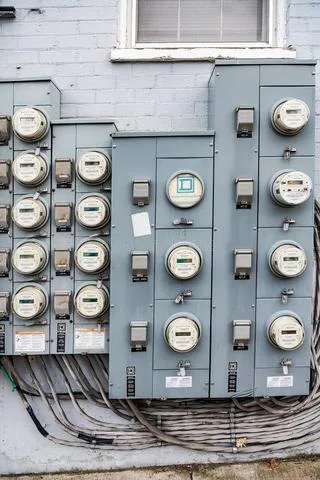
Electricity sets the ceiling on your total. The U.S. Energy Information Administration reports the average residential bill reached $150.68 a month in 2025, up from $142.26 in 2024, as retail rates climbed to roughly 17.23 cents per kilowatt-hour. Average usage sits near 874 kWh a month, but usage swings wildly: a Phoenix household running central air conditioning in July can use 1,500+ kWh, while a Seattle apartment in a mild month might use 250 kWh. State rates drive the rest. Hawaii charged the highest residential rates in 2024 (average bill ~$212), while New Mexico and Utah kept bills near $93–$95. Compare your local rate on the EIA’s monthly electricity price tables before you sign a lease.
Natural gas — cheap in summer, expensive in winter
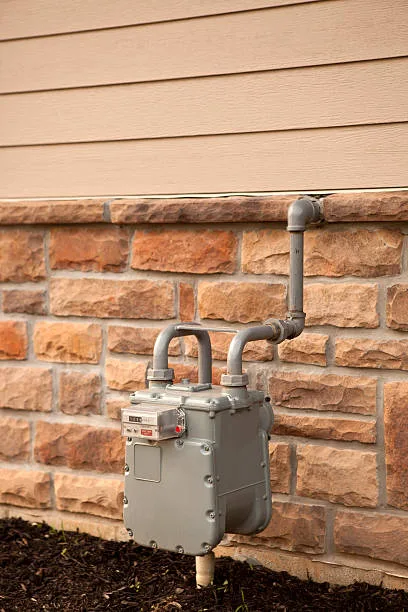
The EIA puts the average residential gas customer at roughly $863 a year, or about $72 a month, but that number hides the seasonality. Gas heats water, cooks food, and (in most cold states) heats the home. Summer months in a gas-heated home typically run $30–$50 for the water heater and stove alone. Winter months routinely run $120–$200 in the Northeast and Midwest. The EIA’s monthly natural gas statistics show January bills historically several times August bills, so budget year-round averages rather than averaging December and June together.
Water and sewer — the bill people underestimate
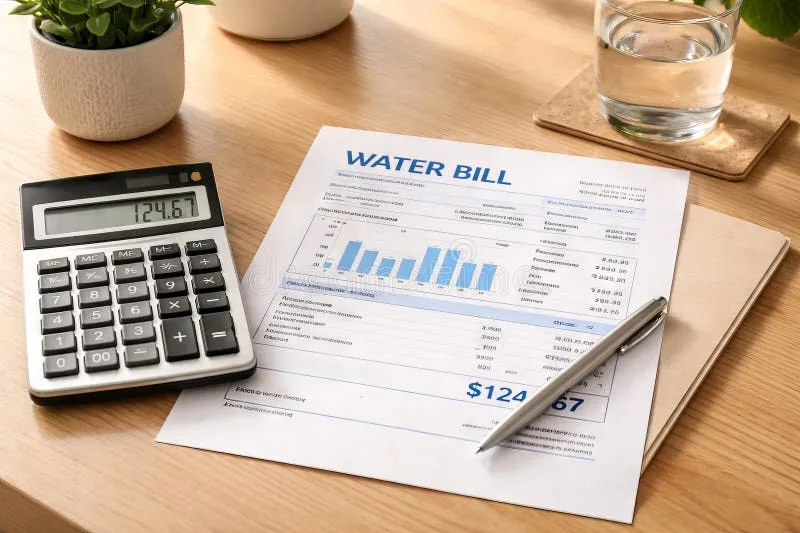
BLS data shows water and sewer averaging about $47 a month across all households, but that figure includes households whose landlords cover the cost. Actual payers usually see $40–$65 for water alone and $80–$150 combined with sewer for a full household. A single renter typically pays less — roughly $25–$45 for water and $55–$80 combined with sewer in most cities. Sewer rates are usually based on water usage, so every gallon you pull goes through two charges. Leaks matter here: a single dripping faucet can waste more than 3,000 gallons a year, which shows up on both line items. The EPA’s WaterSense program lists fixture-level savings that renters can capture without a renovation.

Trash and recycling
Most cities run municipal pickup, billed either through a quarterly utility bill or a separate charge on the rent statement. Apartment buildings in cities without curbside service often use private haulers, and “valet trash” programs that pick up bags outside each door add $25–$50 a month to rent or a tenant sub-meter statement. Expect $20–$50 a month for a standard apartment setup. Recyclables usually ride along at no extra charge, and bulky-item pickup typically carries a separate fee.
Internet — optional by name, essential by reality
BLS records internet at about $58 a month across all households, but that averages in elderly households that still use no broadband. Households that actually pay run closer to $65–$85, with standard cable plans at $40–$75 and fiber plans at $70–$110. Watch the promo trap: most providers lock in a low price for 12 months, then raise the bill $20–$40. The FCC’s Lifeline program offers eligible households up to $9.25 a month toward broadband, and some states still run local assistance after the federal Affordable Connectivity Program ended in 2024.
How Much Do Utilities Cost per Month for an Apartment?
This is the apartment-specific question, and the answer depends most on unit size and climate. Renter surveys compiled by LeaseRunner in 2026 put apartment utilities at $150–$300 excluding internet and $200–$380 including internet. Multifamily data from RentCafe/Rent.com places a one-bedroom apartment at roughly $320 a month across electric, gas, water, and sewer combined in higher-cost metros, with three-bedroom units near $410. Those high-end figures assume cold climates and individually metered units.
| Apartment size | Electricity | Gas (if applicable) | Water + sewer | Trash | Internet | Typical total |
|---|---|---|---|---|---|---|
| Studio (1 person) | $50–$110 | $20–$80 | $25–$50 | $20–$40 | $45–$80 | $100–$160 |
| 1-bedroom (1–2 people) | $70–$150 | $30–$120 | $30–$70 | $20–$50 | $50–$90 | $150–$250 |
| 2-bedroom (2–3 people) | $90–$180 | $40–$150 | $45–$90 | $25–$55 | $55–$95 | $200–$350 |
| 3-bedroom (3–4 people) | $110–$220 | $50–$180 | $55–$110 | $30–$60 | $60–$100 | $260–$410 |
Two things shift these ranges hard. First, climate: a Florida one-bedroom runs most of its annual bill through electric AC from May to September; a Minnesota one-bedroom runs most of it through gas heat from November to March. Second, metering: individually metered apartments bill actual usage; master-meter buildings often split costs through a ratio utility billing system (RUBS), which can charge you for common-area lighting and hallway heating even when you’re out.
If you share the unit with roommates, settle the split rule before move-in — equal shares work, but usage-based shares (bills divided by bedrooms, or by who uses what) prevent friction later. A few practical questions about cost sharing belong on every roommate checklist, including who names the internet account and who pays the deposit.

Average Gas Bill for a 1-Bedroom Apartment, Specifically
People search this exact question because gas bills are the least predictable charge in an apartment. The honest answer separates heating months from non-heating months.
| Climate region | Winter gas bill (Nov–Mar) | Spring / fall | Summer | Annual monthly average |
|---|---|---|---|---|
| Warm South (TX, FL, AZ, Gulf) | $40–$90 | $25–$50 | $25–$45 | ~$35–$55 |
| Temperate West (CA, OR, WA) | $55–$110 | $30–$60 | $20–$40 | ~$40–$65 |
| Cold Midwest / Northeast | $120–$220 | $45–$85 | $30–$50 | ~$70–$110 |
In a cold-climate one-bedroom, the average gas bill runs $30–$50 a month in summer (water heater and stove only), jumps to $80–$120 in October and April, and peaks at $140–$220 during January and February. Over a full year, most cold-region 1BR gas users pay $800–$1,300 total, or roughly $65–$110 a month averaged across twelve months. Southern 1BR users total closer to $400–$650 a year.
Electric-only apartments replace that gas line with a higher electric bill, so the total energy cost doesn’t disappear — it just moves. Heat pumps in newer buildings soften the difference; old electric baseboard heat does the opposite, producing winter electric bills above $200 even in moderate climates.
State-by-State: Where the Normal Utilities Cost Runs High or Low
Geography explains more of your bill than your habits do. Rate data and state-level rent surveys consistently place the highest total utility bills in cold Northern states and high-rate coastal states, and the lowest in the Mountain West and parts of the South with cheap power.
| High-cost states (electricity emphasis) | Approx. monthly electric bill | Low-cost states | Approx. monthly electric bill |
|---|---|---|---|
| Hawaii | ~$212–$243 | New Mexico | ~$93 |
| California (high rate, low use) | ~$120–$180 | Utah | ~$95 |
| Rhode Island / Connecticut | ~$160–$200 | Washington | ~$95–$110 |
| New York | ~$150–$200 | Idaho | ~$90–$110 |
| Massachusetts | ~$150–$190 | North Carolina | ~$110–$130 |
Total utility-cost rankings from 2026 renter and homeowner surveys put states like West Virginia, Alaska, and Connecticut near the top of the combined bill list (driven by heating fuel and winter loads), while New Mexico, Utah, and Wisconsin rank near the bottom on electricity even though their winter gas bills are real. When you compare cities for a move, compare total annual cost, not the headline electric rate — a cheap-rate state with brutal winters can cost more overall than a moderate-rate warm state.
Seasonal Swings: Why One “Average Month” Misleads
Your utility bill does not stay flat for twelve months, and budgeting from a single average causes February and July surprises. The typical pattern:
- Winter (Dec–Feb): gas heating peaks; electric drops in most regions; total energy bill highest in cold states.
- Spring / fall (Mar–Apr, Sep–Nov): lowest total energy bills; heating and cooling both idle.
- Summer (Jun–Aug): electric AC peaks; gas drops; total energy bill highest in warm states; water use often rises with showers, gardening, and sprinklers.
Plan with a seasonal buffer: take your highest winter month and your highest summer month, average those two figures, and set that as your monthly utility line in the budget. The off-months will run below it; the peak months will roughly match it. If that buffer pressure leaves you short some months, an emergency fund sized to one utility season covers the gap without debt.
What Your Lease Says About Who Pays
The single most important document for your utility budget is the lease, not the rate table. Landlords use four common billing arrangements:
- Tenant pays directly. You open accounts with each provider; the landlord never sees your bills. Most common in individually metered buildings.
- Landlord includes utilities in rent. Usually covers water, sewer, trash, and sometimes gas heat; electric and internet remain tenant-paid. Rent is higher to compensate, but budgeting is simpler.
- RUBS (ratio utility billing). The master-meter building divides the actual building bill among units based on square footage, occupancy, or fixtures. Check the math in the lease addendum.
- Flat monthly utility fee. A fixed charge added to rent, often for water and trash. Predictable, but not usage-based.
Before you sign, get written answers to these questions:
- Which utilities does the tenant pay directly, and which are billed through rent?
- Is the unit individually metered, or part of a master meter with RUBS?
- Is there a utility startup deposit, and does the building waive it for good credit?
- What are the average bills for this exact unit over the last twelve months (ask the current tenant if possible)?
- Is heat electric or gas, and how old is the HVAC system?
Also confirm whether the lease requires renters insurance — many modern leases do, and a policy costs $15–$30 a month and belongs in the same expense stack even though it is not a utility. Read the renters insurance explainer before you assume the landlord’s policy covers your belongings.
What Drives Your Bill Up or Down
Six factors explain most of the spread between two similar apartments:
- Climate and heating fuel. Gas heat in the North beats electric baseboard on cost; heat pumps are the modern middle ground.
- Building age and insulation. Pre-1980 apartments leak heated air through windows, outlets, and attic space; utility bills show it directly.
- Square footage and occupants. More rooms to cool and more people using water and appliances push every line up.
- Appliance efficiency. Electric water heaters, old refrigerators, and top-load washers use dramatically more power than ENERGY STAR replacements; water heating alone accounts for roughly 18% of a typical home’s energy use.
- Usage habits. Shower length, dishwasher cycles, phantom load from chargers, and thermostat settings add up across a month.
- Rate structure. Some utilities charge higher prices in peak hours; others add surcharges in winter months.
How to Lower Every Bill Without Moving
You can’t change the rate your provider charges, but you control most of the usage behind it. The savings below cite verified federal guidance so you can trust the numbers.
Electricity
- Dial the thermostat back 7–10°F for eight hours a day. The Department of Energy’s Energy Saver guide documents up to roughly 10% annual savings on heating and cooling from this single practice; programmable and smart thermostats automate it. See DOE’s thermostat guidance for setup details.
- Swap incandescent bulbs for LEDs. ENERGY STAR-qualified LEDs use about 75% less energy and last 25 times longer; switching five frequently used bulbs saves roughly $65 a year according to ENERGY STAR.
- Clean or replace air filters monthly in heating season. A clogged filter makes the blower work harder and can add double-digit percentages to energy use.
- Run full loads in the dishwasher and washer, and use cold water for laundry — about 90% of a wash cycle’s energy goes to heating water.
Natural gas
- Lower winter daytime temperatures to 68°F and drop to 60–62°F overnight; dress in layers instead of raising the setpoint.
- Bleed air from radiators if you have hot-water heat, and keep furniture away from vents and baseboards.
- Fix running pilot lights and report odd smells or hissing sounds to management immediately.
Water and sewer
- Fix dripping faucets and running toilets; both bill through water and sewer simultaneously.
- Install low-flow showerheads and faucet aerators (renters can remove them at move-out).
- Wash laundry in cold, and avoid letting the tap run while shaving or brushing teeth.
Trash and internet
- Downsize trash service if your building allows it, recycle routinely, and skip paid valet service if you can walk bins to the curb.
- Re-shop internet every 12 months when the promo expires; competitor promotions frequently beat the renewal rate, and your current provider usually matches them when you call.
- If income qualifies, apply for Lifeline broadband support or ask your local energy office about LIHEAP heating assistance. The federal LIHEAP program helps eligible renters as well as homeowners, because the applicant — not the property owner — receives the benefit when the tenant pays the bill.

The bigger lifestyle lever: when a bill category trends up for three months in a row, trace it before you accept it. The longer checklist in our guide to reducing monthly expenses covers subscriptions, usage habits, and bill negotiation in detail.
Building Utilities Into Your Monthly Budget
A solid budget treats utilities like rent — a fixed line you set before discretionary spending. The common rule of thumb puts total housing costs (rent plus utilities) at no more than 30–35% of take-home pay; utilities themselves usually consume another 3–8% of gross income for renters, and more in high-cost, cold states.
Try this three-step method:
- Gather twelve months of bills, if you have them, or ask the landlord for the unit’s history. Add the totals and divide by twelve with a simple average calculator to remove seasonal distortion.
- Compare that total to your take-home pay using a quick percentage calculator so you see the actual share; if utilities eat more than 8–10% of net pay, prioritize the bill categories with the biggest usage control.
- Track every bill in one place. A budget planner or one of the AI budgeting apps can link your accounts, categorize charges automatically, and flag months where electric or gas spikes above the seasonal trend.
Set the budget line at the annual average, then auto-pay the essential accounts so a forgotten due date never triggers a late fee or service interruption. Keep the savings from successful months in the buffer fund described above; they fund the peak months without juggling credit cards.

Frequently Asked Questions
What is the average cost of utilities per month in the United States?
The average U.S. household spends about $395 a month on essential utilities, fuels, and public services according to BLS 2024 data, with internet adding roughly $58–$81 for paying households. Renters in apartments typically pay less: $150–$300 without internet and $200–$380 with internet, depending on climate and size.
How much do utilities cost per month for a 1-bedroom apartment?
Most one-bedroom apartments run $150–$250 a month all-in in mild climates, and $250–$350 in cold or hot climates during peak seasons. The range splits roughly into $70–$150 electricity, $30–$120 gas, $30–$70 water and sewer, $20–$50 trash, and $50–$90 internet.
What is the average gas bill for a 1-bedroom apartment?
In the South, expect $30–$50 a month year-round, averaging $40–$55. In the Midwest and Northeast, summer runs $30–$50 but winter peaks at $120–$220, producing an annual average of $70–$110 a month. Over a full year, cold-region 1BR gas users typically pay $800–$1,300 total.
Which utility bill is usually the most expensive?
Electricity leads most U.S. households, averaging about $142–$151 a month in recent EIA data. In cold-climate apartments with gas heat, natural gas can surpass electricity in winter months. Water and sewer usually rank third, especially in cities with high sewer rates.
What percentage of my income should utilities cost?
Renters generally keep total housing (rent plus utilities) under 30–35% of take-home pay, with utilities themselves around 3–8% of gross income. If your utility total exceeds 10% of net pay, target the largest controllable categories — heating, cooling, and water heating — first.
Are utilities usually included in apartment rent?
It varies by building. Some landlords include water, sewer, trash, and heat in the rent; others bill every service separately or through a RUBS split. The lease addendum controls, so read the utility section carefully and ask for the prior tenant’s bill history before signing.
How can I lower my electric bill quickly?
Set the thermostat back 7–10°F for eight hours daily, replace the most-used bulbs with LEDs, wash laundry in cold water, run full appliance loads, clean the HVAC filter, and unplug phantom loads. These steps typically cut electric usage by 10–20% without replacing any appliance.
Do landlords pay for water and trash in apartments?
Often yes for water, sewer, and trash in mid-size and larger complexes, especially when the building uses a master meter; many smaller and individually metered buildings make the tenant pay. Internet and electricity are almost always tenant-paid. Never assume — confirm the arrangement in writing.
Final Takeaway
The normal utilities cost for your household is not one national number; it is a blend of your climate, your unit size, your lease terms, and the habits you run on autopilot. Budgeting starts with realistic averages: about $395 a month for a full household, $150–$380 for an apartment, with gas heat and summer AC creating the big seasonal swings. Compare the lease before you compare the price tags, meter the actual usage in your first three months, and then attack the two bills that respond fastest to habit: heating/cooling and water heating. Get those two under control, and the average utilities cost per month stops surprising you — it becomes a number you planned for.



Leave a Reply