

In this article
- Key Takeaways
- What Is Renters Insurance?
- How Does Renters Insurance Work?
- What Does Renters Insurance Cover?
- What Does Renters Insurance Not Cover?
- Is Renters Insurance Required?
- How Much Renters Insurance Do You Need?
- What Is a Renters Insurance Deductible?
- Actual Cash Value vs. Replacement Cost
- How Much Does Renters Insurance Cost?
- How to Choose the Right Renters Insurance
- Renters Insurance vs. Landlord Insurance
- Renters Insurance vs. Homeowners Insurance
- How Does Renters Insurance Work With Roommates?
- Does Renters Insurance Cover Pets?
- Can Renters Insurance Cover Belongings Outside Your Home?
- How to File a Renters Insurance Claim
- How to Get Better Value From Renters Insurance
- Frequently Asked Questions About Renters Insurance
- Final Thoughts
Key Takeaways
- Renters insurance protects your personal belongings against certain covered losses, subject to policy limits and deductibles.
- It may provide personal liability coverage if you are legally responsible for another person’s injury or property damage.
- Some policies include medical payments coverage for certain injuries to guests.
- Loss of use coverage may help with eligible additional living expenses after a covered loss makes your rental temporarily unlivable.
- Renters insurance generally does not cover the physical structure of the building you rent.
- Standard policies may exclude certain risks, including flooding and earthquakes.
- Your coverage needs depend on your belongings, financial situation, lease requirements, and the risks you want to protect against.
Renting an apartment or house can give you a comfortable place to live without the financial responsibility of owning the building. However, your landlord’s insurance generally does not protect the personal belongings you keep inside your rental.
That is why many renters choose renters insurance. It can help protect your belongings against certain covered losses and may also provide liability protection and other benefits, depending on the policy you choose.
What Is Renters Insurance?
So, what is renters insurance? It is a type of insurance policy designed for people who rent an apartment, house, condo, or other residential property.
Instead of insuring the physical building, renters insurance generally focuses on your personal belongings and certain personal risks. It may also provide liability and additional living expense coverage, depending on the policy.
For example, imagine that a covered fire damages your furniture, clothing, laptop, and television. Your landlord’s insurance may help repair the building, but it generally will not replace your personal possessions.
A renters insurance policy may help pay for eligible damage to those belongings, subject to your coverage limits, exclusions, policy conditions, and deductible.
How Does Renters Insurance Work?
Renters insurance works by providing financial protection against certain covered risks in exchange for a premium. When you purchase a policy, you normally select coverage limits and a deductible based on your needs.
If a covered event causes damage or loss, you can file a claim with your insurance company. The insurer reviews the claim and determines whether the loss qualifies for coverage under your policy.
For example, the process may look like this:
- You purchase a renters insurance policy.
- You choose your personal property and liability limits.
- A covered event damages or destroys your belongings.
- You document the damage and contact your insurer.
- The insurer reviews your claim.
- If the loss is covered, the insurer pays according to the policy terms and applicable limits.
Keep in mind that renters insurance does not cover every situation. The cause of the loss, policy exclusions, coverage limits, and deductible can all affect whether a claim is paid.
What Does Renters Insurance Cover?
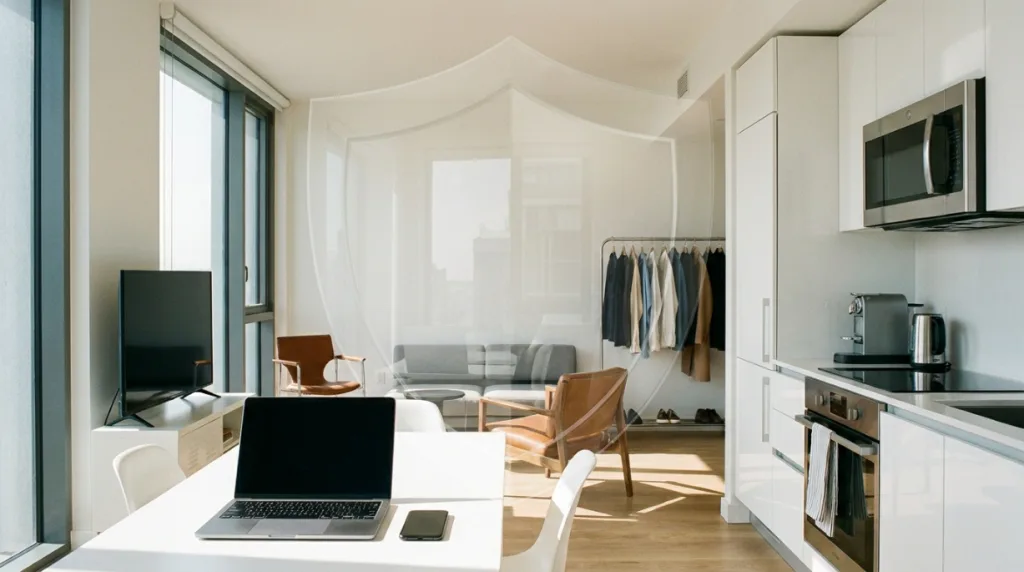
A renters insurance policy can include several different types of protection. The exact coverage varies between insurers and policies, so it is important to understand what your specific policy provides.
The main types of renters insurance coverage generally include personal property, personal liability, medical payments to others, and loss of use.
Personal Property Coverage
Personal property coverage is one of the main reasons renters purchase insurance. It can help protect belongings such as furniture, clothing, electronics, computers, televisions, bicycles, and other personal possessions.
If a covered event damages or destroys your belongings, the policy may help pay for the loss up to the applicable coverage limit. Your deductible and the way the policy values your property can also affect the final payment.
Some policies may also provide coverage for personal belongings while they are temporarily outside your home. However, special limits can apply to certain valuable items, such as jewelry, collectibles, or artwork.
Personal Liability Coverage

Personal liability coverage can help protect you when you are legally responsible for another person’s bodily injury or damage to someone else’s property.
For example, a guest could slip inside your apartment and suffer an injury. If you are legally responsible, your renters policy may help with covered expenses or legal costs, subject to the policy’s limits and conditions.
This coverage is different from personal property coverage because it focuses on your financial responsibility to other people rather than damage to your own belongings.
Medical Payments to Others
Some renters insurance policies include medical payments coverage. This coverage may help pay certain medical expenses when a guest is injured at your residence.
Medical payments coverage is different from personal liability coverage. It can apply to certain injuries without requiring the same type of determination that may be necessary for a liability claim.
The amount available is generally subject to a specific policy limit. Check your policy to understand who qualifies and what expenses are covered.
Loss of Use Coverage
Imagine that a covered fire or another covered event makes your apartment temporarily unlivable. You may need to stay somewhere else while repairs are being completed.
Depending on your policy, loss of use coverage may help pay certain additional living expenses resulting from the covered loss. These expenses can potentially include eligible temporary lodging and other necessary additional costs.
Coverage is not unlimited, however. Your policy may have specific limits, conditions, and requirements for these expenses, so keep records of eligible costs and review your policy carefully.
What Does Renters Insurance Not Cover?
Understanding exclusions is just as important as understanding what your policy covers. Renters insurance is not designed to protect you against every possible type of damage or loss.
The exclusions can vary by insurer and policy, but several common situations deserve special attention.
Damage to the Rental Building
Renters insurance generally does not insure the physical structure of the property you rent. The building itself is usually the landlord’s responsibility to insure.
For example, the roof, exterior walls, and other structural components are generally covered under the property owner’s insurance rather than the tenant’s renters policy.
However, this does not mean a renter can ignore damage they cause to the property. Your lease may contain separate responsibilities for damage caused by your actions or negligence.
Flood Damage
Standard renters insurance generally does not cover damage caused by flooding. This can be particularly important if you live in an area where flooding is a significant risk.
If you need protection against flood-related losses, you may need separate flood insurance or another specialized coverage option.
Earthquake Damage
Earthquake damage may also be excluded from a standard renters policy. This means you should not automatically assume that your belongings are protected against earthquake-related losses.
Additional earthquake coverage may be available depending on your location and insurance provider. Check the policy details before purchasing coverage.
Other Natural Disasters
Certain other events, such as landslides or sinkholes, may also be excluded from a standard renters policy. The exact exclusions depend on the policy and location.
Instead of assuming that every natural disaster is covered, review the exclusions carefully. If you face a specific local risk, ask the insurer whether separate coverage is available.
Pest Damage
Damage caused by termites and other pests is generally not covered by standard renters insurance. Pest problems are often handled separately from sudden accidental losses covered by insurance.
Responsibility for pest infestations can also depend on your lease, landlord, and local landlord-tenant rules. Check your rental agreement if you experience this type of problem.
Intentional Damage
Insurance is generally not intended to cover damage that a policyholder deliberately causes. Intentionally damaging your own belongings or the rental property does not normally create a covered insurance claim.
Always be honest when reporting a loss and provide accurate information about what happened. Misrepresenting a claim can create serious insurance problems.
Is Renters Insurance Required?
In the United States, renters insurance is generally not required by state law. However, a landlord or property management company may require tenants to carry renters insurance as a condition of the lease.
Your rental agreement may specify a minimum amount of liability coverage or require you to provide proof of insurance before moving in.
Even when renters insurance is optional, it can still be useful. Replacing furniture, electronics, clothing, and other belongings after a major covered loss could cost much more than many renters expect.
How Much Renters Insurance Do You Need?

There is no single coverage amount that works for every renter. The right amount depends mainly on the value of your belongings, your financial circumstances, your lease requirements, and the level of protection you want.
A good starting point is to estimate how much it would cost to replace everything you own. This can help you choose a personal property limit that is less likely to leave you underinsured.
Create a Home Inventory
Creating a home inventory is one of the easiest ways to estimate your personal property coverage needs. Walk through your home and make a list of the items you own.
Include furniture, electronics, clothing, appliances, jewelry, computers, bicycles, and other valuable possessions. Record approximate prices and keep receipts or photographs for expensive items whenever possible.
Store your inventory somewhere safe, preferably outside your home or in secure cloud storage. If you ever need to file a claim, having this information can make the documentation process much easier.
What Is a Renters Insurance Deductible?
A renters insurance deductible is the amount you generally pay toward a covered property loss before the insurer pays the remaining eligible amount.
For example, suppose you have $3,000 in covered property damage and your policy has a $500 deductible. If the entire loss qualifies for coverage and no other limitations apply, the insurer may pay $2,500 after the deductible.
The deductible does not necessarily work the same way for every type of coverage. It commonly applies to covered personal property losses, while liability or other coverage may have different rules.
Generally, a higher deductible can result in a lower premium, while a lower deductible can increase your premium. Choose a deductible that you could realistically afford after an unexpected loss.
Actual Cash Value vs. Replacement Cost
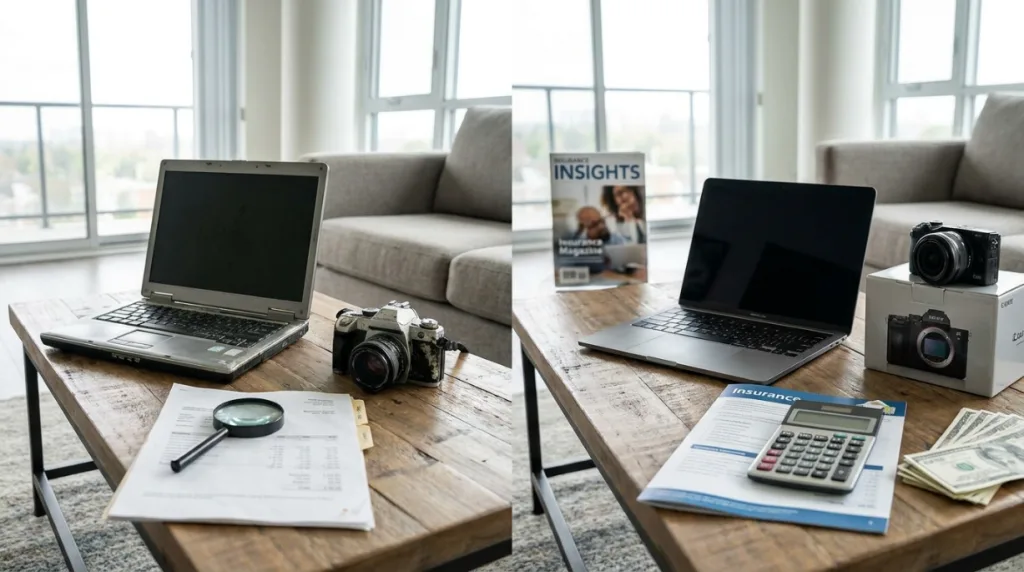
When comparing renters insurance policies, look beyond the coverage limit. You should also understand how the insurer calculates the value of your damaged or stolen belongings.
Actual Cash Value
Actual cash value (ACV) generally takes depreciation into account when determining the value of covered property. As a result, an older item may be valued at less than what you originally paid for it.
For example, an older laptop that originally cost $1,000 may have a lower current value after depreciation.
Replacement Cost
This coverage may pay the cost of replacing an eligible damaged or stolen item with a comparable new item, subject to the policy’s terms, conditions, and coverage limits.
Unlike ACV coverage, replacement cost coverage can cost more, but it may provide greater reimbursement when you need to replace older belongings after a covered loss.
For renters, this type of coverage can be useful when they want stronger financial protection for replacing belongings after a covered claim.
How Much Does Renters Insurance Cost?
The cost of renters insurance varies from person to person. Your location, coverage limits, deductible, type of residence, claims history, and other insurance-related factors can influence your premium.
Because of these differences, there is no single price that every renter should expect to pay. Two people living in different locations can receive very different quotes even when they want similar coverage.
When comparing policies, don’t focus only on the monthly premium. Look at the coverage limits, deductible, exclusions, property valuation method, liability protection, and optional coverage.
Progressive currently reports its own renters insurance premiums averaging $13 to $27 per month based on its data. However, this should not be treated as a universal price for every renter or insurer.
How to Choose the Right Renters Insurance
Choosing renters insurance becomes easier when you compare the overall protection rather than simply choosing the cheapest quote.
Start by determining how much your belongings are worth and whether your lease requires a specific level of coverage.
1. Estimate the Value of Your Belongings
Create a home inventory and estimate the replacement cost of your personal property. Remember that everyday items can add up quickly.
Furniture, clothing, kitchen equipment, electronics, and other belongings may collectively be worth much more than you realize.
2. Check Your Lease Requirements
Before purchasing a policy, review your lease agreement. Your landlord may require renters insurance and may specify a minimum liability limit.
Make sure the policy you select meets those requirements before you move into the property.
3. Compare Deductibles
Compare the deductible as well as the premium. A policy with a lower monthly price may have a higher deductible that could be difficult for you to pay after a loss.
Choose a deductible that balances affordability with the amount you are comfortable paying yourself.
4. Review Policy Exclusions
Read the exclusions carefully before purchasing coverage. Pay particular attention to risks that matter in your location, such as flooding or earthquakes.
If a significant risk is excluded, ask the insurer whether additional coverage is available.
5. Check Valuable-Item Limits
Standard personal property coverage may have special limits for certain expensive belongings. Jewelry, artwork, collectibles, and other high-value items may require additional coverage.
If you own valuable items, ask the insurer whether scheduled or additional coverage is appropriate.
6. Compare ACV and Replacement Cost
Two policies can have similar coverage limits but produce different claim payments depending on how they value your belongings.
Understanding the difference between actual cash value and replacement cost can help you make a more informed decision.
7. Compare the Complete Policy
Finally, compare the overall policy rather than focusing on price alone. Look at coverage limits, exclusions, deductibles, liability protection, optional coverage, and the insurer’s claim process.
The cheapest policy is not necessarily the best policy if it does not provide the protection you actually need.
Renters Insurance vs. Landlord Insurance
Renters insurance and landlord insurance are designed to protect different people and different interests.
Your landlord generally purchases insurance to protect the rental property and their financial interests as the property owner. Your renters policy is designed primarily around your belongings and personal risks.
| Renters Insurance | Landlord Insurance |
|---|---|
| Designed primarily for the tenant | Designed primarily for the property owner |
| Can protect the renter’s personal belongings | Can protect the rental property’s structure |
| Can include personal liability coverage | Can include landlord-related liability protection |
| May include loss-of-use coverage | May cover certain rental-property risks |
| Purchased by the renter | Purchased by the property owner |
Because these policies serve different purposes, having a landlord’s insurance policy does not generally mean your personal belongings are insured.
Renters Insurance vs. Homeowners Insurance
Renters insurance and homeowners insurance are both forms of property insurance, but they are designed for different situations.
Homeowners insurance generally provides coverage for the home itself, personal belongings, liability, and other risks associated with owning a property.
Renters insurance generally does not provide dwelling coverage for the building because the renter does not own the structure.
In simple terms, homeowners insurance is designed for people who own their homes, while renters insurance is designed primarily for people who lease their living space.
How Does Renters Insurance Work With Roommates?
Having a roommate does not automatically mean that your roommate’s belongings are covered under your renters insurance policy.
Whether roommates can share one policy depends on the insurer, policy terms, and circumstances. Some policies may allow certain household members to be covered, while others may require separate policies.
Before sharing coverage, check whether both people are listed on the policy and whether the personal property limit is enough to protect everyone’s belongings.
In many roommate situations, separate renters policies can make it easier for each person to maintain appropriate coverage for their own belongings.
Does Renters Insurance Cover Pets?
Pet-related coverage depends on the specific renters insurance policy. Personal liability coverage may help if your pet injures another person or damages someone else’s property, subject to applicable exclusions and limits.
However, renters insurance does not mean that damage your pet causes to your own belongings or the rental property will automatically be covered.
Some insurers may also have restrictions involving certain animals or previous incidents. Always ask the insurer about pet-related exclusions before purchasing a policy.
Can Renters Insurance Cover Belongings Outside Your Home?
Some renters insurance policies can provide coverage for personal belongings while they are temporarily outside your residence.
For example, certain personal property may remain covered while traveling or while stored somewhere outside your apartment, depending on the circumstances.
However, special limits and conditions can apply to specific types of property or situations. Check your policy before assuming that an expensive item has unlimited coverage away from home.
How to File a Renters Insurance Claim

If your belongings are damaged or stolen, start by protecting yourself and preventing additional damage when it is safe to do so.
Then document the situation carefully. Take photographs or videos, create a list of damaged or missing items, and gather receipts or other documents that can support your claim.
If the incident involves theft or another situation that should be reported to authorities, make the appropriate report and keep a copy of the documentation.
Next, contact your insurance company and report the claim. The insurer will explain what information and documents are needed to evaluate the loss.
Do not assume every expense or damaged item will be reimbursed. The final claim decision depends on your policy’s coverage, exclusions, limits, conditions, and any applicable deductible.
How to Get Better Value From Renters Insurance
Getting better value does not always mean buying the cheapest policy. The goal is to find coverage that provides useful protection at a price that fits your budget.
Start by reviewing your policy whenever your circumstances change. Buying expensive electronics, furniture, jewelry, or other valuable items can increase the amount of coverage you need.
You should also keep your home inventory updated. A current list of your belongings can help you understand your coverage needs and make the claims process easier if something goes wrong.
Finally, ask insurers about available discounts. Depending on the company, discounts may be available for bundling policies, security features, or other qualifying factors.
Frequently Asked Questions About Renters Insurance
What is renters insurance?
Renters insurance is a type of insurance designed primarily to protect a tenant’s personal belongings and provide certain liability and other coverage.
It generally does not insure the physical structure of the rental property, which is normally the landlord’s responsibility.
Is renters insurance worth it?
For many renters, renters insurance can be worthwhile because replacing personal belongings after a major covered loss can be expensive.
It can also provide liability protection and, depending on the policy, coverage for certain additional living expenses.
Does renters insurance cover theft?
Renters insurance may cover theft when the loss falls under a covered cause of loss and the policy’s requirements are met.
Coverage limits and special restrictions may apply to certain valuable belongings, so check your policy for details.
Does renters insurance cover fire?
Many renters policies provide coverage for certain fire-related losses to personal property.
However, the exact coverage depends on the policy, including its limits, exclusions, conditions, and deductible.
Does renters insurance cover water damage?
It depends on what caused the water damage.
Some water-related losses may be covered, while flooding is generally excluded from standard renters insurance. Your policy determines whether a particular water loss qualifies for coverage.
Does renters insurance cover my roommate?
Not automatically.
Whether a roommate is covered depends on the insurer and policy. In some situations, roommates may need separate renters insurance policies to protect their individual belongings.
Does renters insurance cover pets?
A renters policy may provide certain liability protection when a pet injures another person or damages someone else’s property.
However, exclusions and restrictions can apply, so check the policy before relying on it for pet-related risks.
Does renters insurance cover a landlord’s property?
Generally, renters insurance is designed to protect the tenant’s belongings and certain personal risks rather than the building itself.
The landlord normally maintains separate insurance for the rental property.
Can renters insurance cover belongings outside my home?
Some policies provide coverage for personal property outside the residence.
However, coverage limits and conditions can vary, particularly for valuable items, so review the policy before assuming an item is fully protected away from home.
Can a landlord require renters insurance?
A landlord or property management company may require renters insurance as a condition of the lease.
The lease may also specify minimum coverage requirements, so renters should review their rental agreement carefully.
Final Thoughts
Renters insurance can provide an important layer of financial protection for people who lease their homes. It can help protect personal belongings and may provide liability, medical payments, and loss-of-use coverage depending on the policy.
However, renters insurance is not a blanket protection for every possible loss. Floods, earthquakes, certain natural disasters, pest damage, and other risks may be excluded or subject to special conditions.
Before choosing a policy, estimate the value of your belongings, review your lease, compare deductibles, check exclusions, and determine whether you need additional coverage for valuable items.
Most importantly, remember that your landlord’s insurance generally protects the building, while renters insurance is designed primarily to protect you, your belongings, and certain personal risks.
Insurance coverage, exclusions, limits, prices, and requirements can vary by insurer and location. Always read the actual policy documents and consider speaking with a licensed insurance professional if you need advice about your specific situation.



Leave a Reply