

In this article
- How much money do you need before you sign a lease?
- What do you need before you apply and sign the lease?
- Your 8-week apartment move timeline checklist
- Utility and service setup checklist
- Move-in day walk-through checklist that protects your security deposit
- Renters insurance checklist: cheap coverage most new renters skip
- Room-by-room apartment essentials checklist (what to buy first)
- Roommate checklist before you move in together
- Your first 30 days: money habits that protect the move
- Common first-apartment mistakes to avoid
- Frequently asked questions
You found a place, signed the lease, and the moving truck — or, more likely, your friend’s pickup — is two weeks away. Exciting? Absolutely. Overwhelming? Also yes. First-time renters usually underestimate two things: the cash due before keys hand over, and the small items that turn a bare unit into a usable home by night one.
This first apartment checklist covers the money math, paperwork, move-in timeline, utility setup, damage-protection walk-through, insurance call, and a room-by-room essentials list that separates must-haves from nice-to-haves. Copy the sections into a phone note and check items off as you go.
The short version: your first apartment checklist at a glance
If you only skim one thing, read this list, then return to the sections that apply.
- Before you apply: Set rent at or below 30% of gross income; gather ID, pay stubs, and references; screen for rental scams.
- Before you sign: Read the lease; confirm the security deposit terms; ask whether you need a guarantor; buy renters insurance.
- 3–8 weeks out: Budget 2.5–4× monthly rent in upfront cash; compare movers or a truck; schedule utility start dates; file a change of address.
- Move-in day: Do the walk-through, photograph every room, test alarms and outlets, and keep the essentials box accessible.
- Day one essentials: A bed with bedding, toilet paper, towels, soap, a mug or glass, one plate and utensils, and charging cables.
- First month: Track every bill, keep a small buffer, and buy remaining kitchen and cleaning items as paychecks arrive.
Ready for the details? Let’s start with the number that trips people up first: money.
How much money do you need before you sign a lease?
The national median U.S. rent sat around $1,384 per month in late 2026, per the Apartment List National Rent Report; one-bedroom asking prices run higher in most metros. But sticker rent is not what drains savings in month one: move-in costs usually run 2.5 to 4 times one month’s rent because landlords stack first month, deposits, fees, and sometimes last month together.
The U.S. Department of Housing and Urban Development’s long-standing affordability benchmark — the 30% rule — says rent should stay at or below 30% of gross monthly income. Many landlords also screen at roughly 3× monthly rent, so treat 30% as a ceiling rather than a target. On $4,000 before taxes, a $1,200 apartment leaves $2,800 for everything else; build your budget backward from your actual pay.
Typical upfront costs for a first apartment
| Upfront item | Typical range | Notes |
|---|---|---|
| First month’s rent | Equal to monthly rent | Due at or before key handoff |
| Security deposit | Usually 1 month’s rent; some markets cap it at 1–2 months | Refundable; returned after move-out in most states within roughly 14–60 days |
| Last month’s rent | $0 to 1 month’s rent | Common in competitive cities; not universal |
| Application fee(s) | $25–$100 per adult per application | Non-refundable even if you are denied; apply to a handful of units and fees add up fast |
| Admin or move-in fee | $0–$300 | Sometimes non-refundable; ask what it covers |
| Broker fee (select cities) | A few weeks’ rent to ~15% of annual rent | New York and Boston are the classic examples; “no-fee” listings avoid it |
| Moving costs (DIY truck) | About $20–$50 base per day plus mileage, fuel, and supplies | Studio or small one-bedroom local DIY moves often land near $300–$800 total |
| Moving costs (professional crew) | Local moves averaged about $1,489 in recent national surveys; long-distance moves run higher | Full service costs more but saves physical labor |
| Renters insurance | Roughly $10–$20 per month | Often paid monthly; cheap peace of mind |
| Starter furniture and kitchen basics | A few hundred to ~$1,500+ bought new; secondhand buys cut this substantially | Prioritize sleep and food first |
For a $1,200/month apartment, a realistic upfront cash target lands near $3,000–$5,000, including a basic starter kit. If your move-in date falls partway through a month, landlords charge prorated rent for the partial first month; run the math with a prorated rent calculator so your first payment does not surprise you.
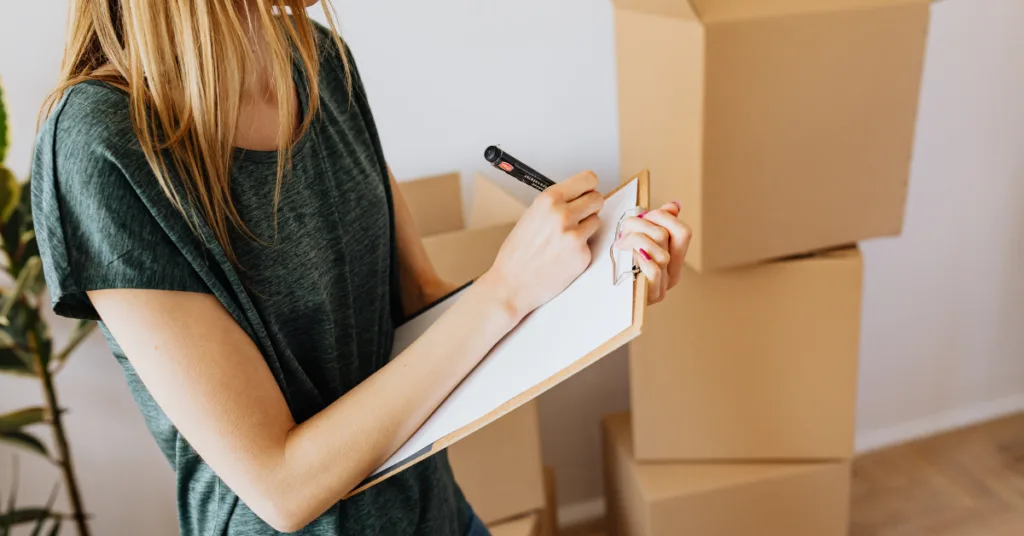
Three budgeting habits make the first six months far less stressful:
- Keep deposit money in a separate spot you do not touch; it is not spending cash.
- Add 10–15% to your rent estimate for utilities, parking, and recurring fees.
- Furnish over 90 days, not moving day; no one remembers which couch you bought first.
What do you need before you apply and sign the lease?
First-time renters often assume the tour is the hard part. The application packet is what actually decides approval. Landlords and property managers verify who you are, whether you can pay, and whether you have a track record of paying on time.
Document checklist for the rental application
- Government-issued photo ID: Driver’s license, state ID, passport, or military ID.
- Proof of income: Recent pay stubs (usually the last 30–60 days), a W-2, a signed job offer letter, or tax returns for self-employed applicants.
- Bank or financial statements: Some landlords request 2–3 months of statements to confirm cash reserves.
- Rental history and references: Prior landlord contact information; personal or professional references back up a thin file.
- Contact details for a co-signer or guarantor, if your income or credit is light: A guarantor on a lease covers rent if you cannot, which commonly helps first-timers get approved without months of rental history.
- Vehicle information: License plate, insurance card, and registration if the building offers parking.
- Completed application and fee: Fill it neatly; discrepancies between the application and your ID delay approval.
Credit scores vary in importance, but a score around 650 or above usually smooths screening; below that, a guarantor, higher deposit, or roommate often closes the gap. Never hand over your Social Security number before an official application begins; reputable landlords pull credit themselves rather than asking you to upload a full report.
Red flags of a rental scam before you pay
The Federal Trade Commission reports tens of thousands of rental-scam complaints since 2020, with losses reaching tens of millions of dollars. Scammers copy real listings, relist them cheaply, and pressure victims to pay before a tour. Watch for these red flags (see the FTC’s free rental listing scam guidance for the full list):
- Rent priced well below comparable units in the same building or block.
- Pressure to decide today, wire money, buy gift cards, or pay in crypto to “hold” the unit.
- A landlord who claims to be overseas, cannot meet in person, and offers only a video walkthrough.
- No option to tour the unit before signing; vague or missing lease terms.
- Requests for sensitive documents before an official application.
One rule protects you: tour in person (or send a trusted friend), pay through traceable methods like a bank check or portal payment, and never send gift cards or crypto to secure a home.
Lease review checklist before you sign

Read every page before you sign. The lease controls disputes later, and verbal promises rarely hold up. Confirm these items in writing:
- Monthly rent amount, due date, and late-fee policy.
- Lease length, renewal rules, and how to give notice when you leave.
- Security deposit amount, conditions for return, and the state deadline for refunding it.
- Which utilities the landlord pays versus what you pay directly.
- Pet policy, guest policy, smoking policy, and noise or quiet-hours rules.
- Maintenance request process and emergency contacts.
- Subletting rules, early-termination fees, and any required renters insurance language.
- Parking assignment, storage access, amenity rules, and trash pickup days.
If something feels off — a vague fee, an unresponsive manager, or an undocumented repair promise — get it in writing before you sign. Your leverage is highest before the signature goes on the page.
Your 8-week apartment move timeline checklist
Trying to do everything in the final week creates the classic moving-day spiral: no internet, no beds, no toilet paper, and a fridge still packed at 11 p.m. Spread the work across the timeline below so each week has a short list.
| Timing | Checklist actions |
|---|---|
| 8–6 weeks before | Lock the budget and savings target; start the apartment search; compare truck and mover quotes; pull your credit report and gather documents; decide roommate questions |
| 6–4 weeks before | Sign the lease; order renters insurance; request utility start dates; reserve the elevator or moving parking if the building requires it; declutter and sell or donate what you won’t move |
| 4–2 weeks before | Buy packing boxes and supplies; pack non-essentials room by room; file your USPS change of address; update banks, subscriptions, and your employer; buy critical day-one items (bedding, basics) |
| Final week | Confirm movers or truck pickup; pack the labeled essentials box; clean your old place; confirm utility activation dates; test that keys, fobs, and gate codes work |
| Moving day | Walk the empty new unit before boxes arrive; take photos; test alarms, outlets, and appliances; hand over payments per the lease; tip helpers if you use them |
| First 24–72 hours | Set up the bed and bathroom first; unpack kitchen basics; verify internet and trash days; file maintenance requests in writing; keep all documents in one folder |
A few details renters forget until moving day:
- Building rules: Many apartments restrict move-in hours, reserve the elevator, or require a truck parking permit; ask management early.
- Mail forwarding: File the USPS change-of-address request online; it costs a small identity-verification fee and starts forwarding mail before your first bill misdirects.
- Moving choice: Recent surveys put the average local professional move near $1,489, while long-distance moves run several thousand dollars; a DIY truck for a studio or one-bedroom often costs a fraction of that with friends. Compare both routes against your actual inventory, and book weekends and month-end dates early.
- Packing method: Label every box with its destination room and an essentials flag. Pack one clearly marked box for night one: bedding, toiletries, chargers, meds, a towel, snacks, and basic tools.
Utility and service setup checklist
Utilities quietly become a second rent payment. Per Apartment List’s 2026 utility estimates, a typical one-bedroom runs roughly $144 per month for core utilities before internet, and total utility costs including broadband commonly land between $200 and $290 per month. Electricity is the largest slice, internet runs roughly $60–$80, and gas, water, and sewer vary sharply by climate and city.
What to set up and confirm
- Electricity: Open an account with the local provider 1–2 weeks before move-in; same-day activation sometimes carries fees. Confirm the start date lands before your truck arrives.
- Natural gas: Needed for cooking, heat, or hot water in many buildings; confirm the provider and activation date with the landlord.
- Water and sewer: Often billed through the landlord or building; if billed to you, ask the average bill for the unit.
- Internet and Wi-Fi: Compare speed, price, and contract terms; bundle discounts exist but check cancellation penalties.
- Trash and recycling: Learn pickup days, bin location, and any valet or recycling fee.
- Optional services: Streaming and home security; these can wait until after move-in.
Use the average cost of utilities per month by city as a baseline, then call two or three providers for quotes. On tours, ask which utilities the previous tenant paid and request an average bill when the landlord keeps records.
Quick utility savings habits
The U.S. Department of Energy shares renter-friendly steps that lower bills without renovations: seal drafts with weatherstripping or a door stopper, swap bulbs for LEDs, use power strips to cut standby power, and adjust the thermostat when you are away.
Move-in day walk-through checklist that protects your security deposit
The highest-value task on moving day costs nothing: document the apartment before boxes cover the floors. Without dated photos, you cannot prove that a scratch, stain, or leak predates your tenancy, and that gap can cost part or all of your deposit when you leave.
How to run the walk-through
- Bring your phone, a notepad, and the lease or a printed inspection sheet.
- Photograph or video every room wide, then close up on existing marks, stains, scuffs, and cracked tiles.
- Test every switch, outlet, faucet, toilet, and appliance.
- Note issues in writing and send the list to the landlord or manager the same day; keep a copy in your email and phone.
- Ask the landlord to acknowledge the condition sheet if the building uses one.
Room-by-room inspection points
| Area | What to check and document |
|---|---|
| Living areas and bedrooms | Scuffs, nail holes, carpet stains, window seals, door locks, ceiling water stains, working light fixtures |
| Kitchen | Fridge temperature and seals, oven and burners, sink pressure and drain, under-sink leaks, cabinet hinges, GFCI outlets near water |
| Bathroom | Toilet flush and seal, shower pressure and hot water, tile grout, vanity water damage, exhaust fan, mirror and towel bar condition |
| Windows and doors | Locks latch properly, no cracked glass, drafts around frames, screens intact |
| Safety | Smoke alarms present and testing, carbon monoxide alarms where fuel appliances exist, fire extinguisher if provided, clear exits |
| Appliances | Manufacturer labels, serial numbers for provided units, any dents or missing parts, working dishwasher and laundry hookups |
| Building basics | Mailbox number, intercom or buzzer, parking spot tag, hallway cleanliness, pest evidence such as droppings or gnaw marks |

On safety, the National Fire Protection Association reports that working smoke alarms roughly cut the risk of dying in a home fire in half, yet roughly three in five home-fire deaths occur in properties with no alarms or alarms that failed. Test each alarm during the walk-through, replace weak batteries, and ask management to install any missing devices before you unpack. Test alarms monthly afterward and replace units every ten years.
If the landlord will not tour with you, inspect anyway, date the photos, and send them over the same day; the condition sheet becomes your evidence at move-out.
Renters insurance checklist: cheap coverage most new renters skip
Your landlord’s insurance protects the building, not your stuff. If a pipe leaks, a fire spreads, or a thief takes your laptop and bike, your clothing, furniture, electronics, and kitchen gear come out of your pocket without a renters policy.
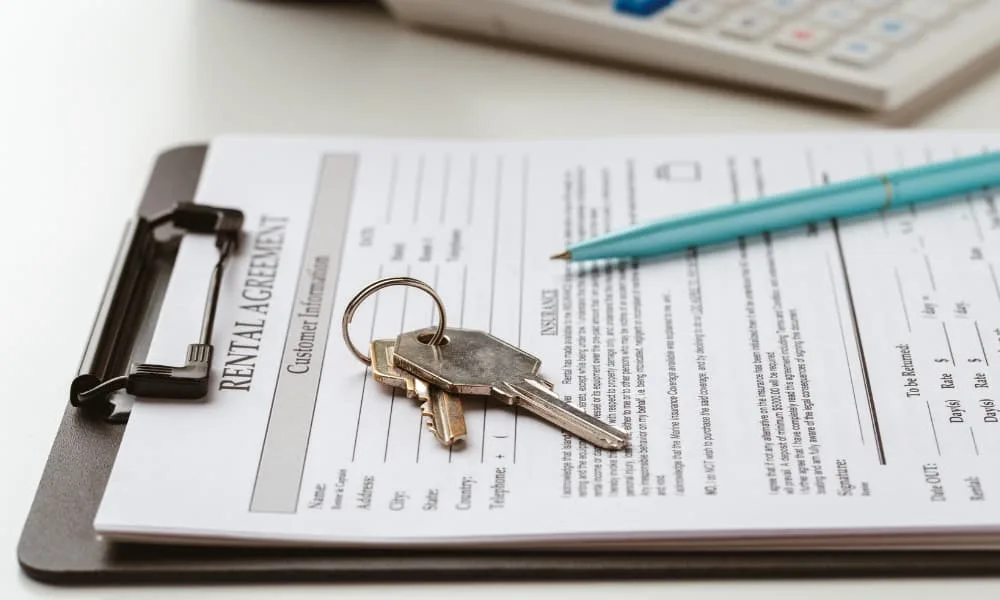
The coverage costs far less than people expect. NAIC data summarized by the Insurance Information Institute and carriers such as GEICO put the national average premium near $14 per month (about $171 per year), and industry surveys suggest roughly half of U.S. landlords now require proof of coverage at lease signing. Typical policies combine:
- Personal property coverage for furniture, electronics, clothing, and appliances you own, against fire, smoke, theft, vandalism, and certain water damage.
- Liability coverage if a visitor is injured in your apartment or you accidentally damage someone else’s property.
- Additional living expenses if a covered loss forces you to stay elsewhere temporarily.
Before you buy, estimate your belongings’ replacement value room by room, choose a deductible you can cover in one emergency, and compare a few quotes. Our explainer on what renters insurance covers walks through limits, exclusions, and add-ons such as jewelry or bike coverage. File the policy confirmation beside your lease.
Room-by-room apartment essentials checklist (what to buy first)
A bare apartment feels empty, but you do not need a full store registry on day one. Use three tiers: must-haves for sleep, food, hygiene, and safety; should-haves that improve the space within weeks; and nice-to-haves that wait until cash flow allows. Buy must-haves first, source should-haves secondhand, and postpone décor until the basics work.
Living room: must-haves
- Seating: a couch, loveseat, or sturdy floor cushions and a rug until furniture arrives.
- A surface for drinks and devices: coffee table, folding table, or stacked crates.
- Lighting: at least one lamp; overhead lights often feel harsh and weak.
- Device charging: surge-protected power strips, cords, and a streaming device or laptop setup.
- Window treatment for privacy and light: curtains, blinds, or a cheap tension rod set.
- Basic maintenance: broom or vacuum, dustpan, trash can, and a small tool kit.
Bedroom: must-haves

- Mattress and a frame, platform, or simple foundation; a mattress protector protects both the mattress and your deposit.
- Two sets of sheets so one can be in the wash, plus a pillow or two, blanket, and comforter.
- Hangers and at least one storage solution: dresser, hanging organizer, or under-bed bins.
- A place for your phone and water within reach: nightstand, stool, or wall shelf.
- Laundry hamper, alarm clock or phone setup, and a mirror for dressing.
Kitchen: must-haves
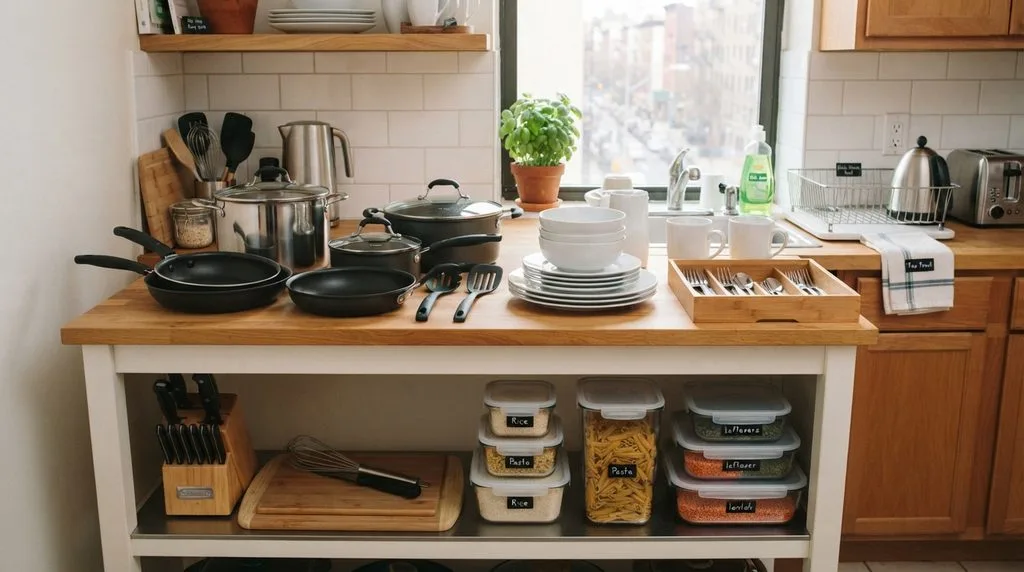
- One pot for pasta and soups, one frying pan, and a baking sheet.
- Chef’s knife, paring knife, cutting board, spatula, wooden spoon, and can opener.
- Plates, bowls, glasses or mugs, and basic cutlery for at least two people.
- Dish soap, sponge or dish brush, dish towels, trash bags, and a dish rack if no dishwasher exists.
- Food storage containers for leftovers; coffee maker, kettle, or microwave depending on how you eat.
- Spices and staples that actually get used: salt, pepper, cooking oil, and your go-to ingredients.
Bathroom: must-haves
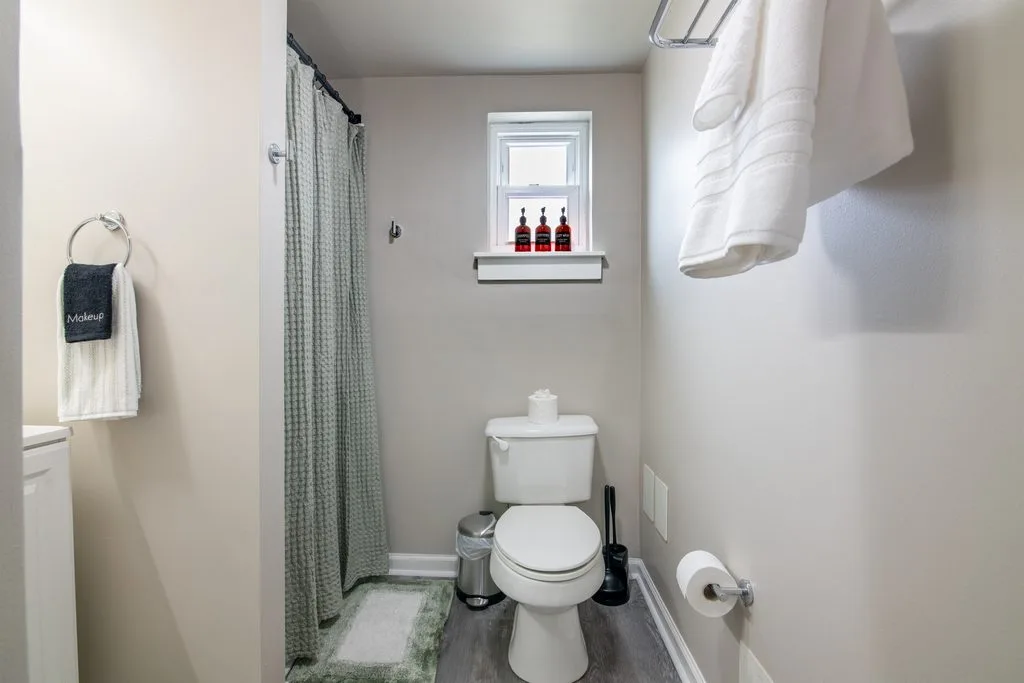
- Shower curtain, liner, and hooks if the bath lacks a glass door; a liner stops mold and water damage.
- Bath towels, hand towels, and a bath mat.
- Toilet paper, hand soap, shampoo, conditioner, body wash, and a toothbrush holder.
- Plunger and toilet brush; small lidded trash can.
- Towel hook or rack, shower caddy for toiletries, and a mirror if none exists.
Cleaning and safety: must-haves
- Vacuum or broom and dustpan; mop for hard floors.
- All-purpose cleaner, bathroom cleaner, glass cleaner, sponges, microfiber cloths, and laundry detergent.
- Extension cords and surge-protected power strips (not daisy-chained).
- Basic tool kit: screwdrivers, hammer, measuring tape, scissors, duct tape, and nails or wall hooks suitable for the lease.
- First aid kit, flashlight, spare light bulbs, and a fire extinguisher in the kitchen if the building does not supply one.
Should-haves within the first month
- Shelving, a desk or work surface, extra storage bins, and a dining chair or two.
- Kitchen upgrades: baking dishes, blender or toaster, mixing bowls, and more pots.
- Decor that reflects your taste: rug, plants, art, curtains, and throw pillows.
- A second set of kitchen dishes for guests and a small emergency cleaning reserve.
Nice-to-haves that can wait
- Premium furniture, large TV, specialty appliances, air purifier, robot vacuum, and exercise equipment.
- Fine dinnerware, barware, and extensive décor.
- Smart home devices beyond a basic smart bulb or speaker.
Cost reality check: New furniture plus full kitchen and bath sets can reach $1,500–$2,000 before you settle in. Thrift stores, marketplace listings, apartment giveaways, and hand-me-downs cut those costs substantially. Split shared items — tools, a vacuum, basic cookware — with roommates to avoid duplicates.
Roommate checklist before you move in together
A roommate can make rent affordable, but vague agreements cause most conflict. Before either signature goes on the lease, align in writing on rent and utility splits, who pays which bill, groceries, guest and overnight policies, quiet hours, cleaning duties, pet expectations, and early-exit terms. Our list of questions to ask potential roommates gives you a full prompt sheet for the first conversation.

Also decide whose name appears on the lease and who guarantees it if one is required. If only one roommate signs, that person carries legal risk for the full rent; a written side agreement keeps expectations fair without changing the lease.
Your first 30 days: money habits that protect the move

The move itself gets the attention, but the first 30 days set your ongoing rhythm. Three habits pay off every month:
- Track every bill. List rent, utilities, internet, insurance, groceries, transit, subscriptions, and debt payments in one simple budget; compare actual spending to your plan at month one, then adjust. Habits that reduce monthly expenses and save more money — trimming unused subscriptions, energy-efficient habits, shared grocery runs — matter more when rent consumes a large share of income.
- Keep a housing buffer. Hold one to three months of essential costs in a separate, easy-to-access account before discretionary spending. A small buffer covers a broken laptop, a deposit renewal, or a gap between paychecks without borrowing.
- Set payments on autopay with alerts. Scheduled rent, insurance, and utility payments avoid late fees, but keep a small balance so autopay never overdrafts. File the lease, policy, furniture receipts, and move-in photos in one labeled digital and paper folder.
Small habit changes add up fast; the Department of Energy’s energy-saving tips for renters cover drafts, LED bulbs, and standby power you can act on without asking the landlord.
Common first-apartment mistakes to avoid
- Renting above the 30% line because a tour felt perfect. A pretty kitchen cannot cover a budget that fails by month three.
- Skipping the walk-through photos. This single omission costs more deposit money than almost any other first-renter error.
- Buying every registry item new. Most first apartments feel homey with secondhand basics plus a few new pieces you use daily.
- Forgetting utilities in the budget. Electricity, internet, gas, and parking can rival a second rent payment in some cities.
- Ignoring lease fine print on guests, pets, subletting, and early termination. Fees and penalties live in those paragraphs.
- Forgetting the night-one essentials box. Sleeping on a floor without sheets or chargers sets a miserable tone.
- Falling for a too-good listing before a tour. Demands for wire transfers or gift cards mean walk away.
Frequently asked questions
What should I do before moving into my first apartment?
Before you move in, keep rent near the 30% rule, gather application documents, read the full lease, schedule utility start dates, buy renters insurance, reserve your moving method, and pack a night-one essentials box with bedding, toiletries, chargers, and basic food. On move-in day, run the walk-through and photograph every existing mark before boxes arrive.
How much money should I have saved before renting my first apartment?
Plan for roughly 2.5 to 4 times monthly rent in upfront cash, covering first month’s rent, security deposit, application and admin fees, moving costs, and starter essentials. For a $1,200 apartment, that commonly means $3,000–$5,000 before you furnish generously. Keep a separate emergency buffer after move-in instead of spending all savings on the deposit and couch.
What is the first apartment essentials list?
The non-negotiables are a mattress with bedding, towels and toilet paper, soap and cleaning basics, one pot and pan with basic dishes and utensils, a way to charge devices and light the room, trash bags, a plunger, and a working smoke alarm. Add storage, seating, and kitchen extras as paychecks allow; décor can wait.
Do I really need renters insurance if my landlord has insurance?
Yes — the landlord’s policy covers the building structure, not your belongings or your liability. A typical policy costs around $10–$20 per month and covers theft, fire, smoke damage, certain water damage, and visitor injuries in your unit. Many landlords require proof of coverage; even when they do not, the low premium usually justifies it.
What utilities do first-time renters usually pay?
Most renters pay electricity and internet directly; gas, water, sewer, and trash depend on the building and lease. Ask which utilities are included, request an average bill, and budget roughly $200–$290 per month total for a one-bedroom including internet, then verify with local provider quotes.
What should I check during the apartment walk-through?
Test outlets, faucets, hot water, toilets, appliances, locks, and alarms; inspect walls, floors, ceilings, sinks, and windows for existing damage; check for leaks, mold, drafts, and pest signs; and document everything with dated photos or video. Send the condition list to your landlord the same day and keep a copy so you are not charged for pre-existing damage at move-out.
How do I furnish a first apartment on a tight budget?
Start with must-haves for sleep and food, buy secondhand furniture and kitchenware from marketplaces, thrift stores, and hand-me-downs, split shared items with roommates, and add nice-to-haves over several months. Prioritize bedding and safe basics over décor, and wait 30 days before specialty gadgets to see what you actually use.


Leave a Reply