

In this article
- TL;DR: The Quick Answer
- Who Counts as a First-Time Homebuyer in 2026?
- How to Buy a House First Time: The 12-Step Path
- Money Prep: Credit, DTI, and What Lenders Actually Check
- Loan Menu: FHA, VA, USDA, and Conventional Low-Down Options
- FHA Loan Requirements (What First-Time Buyers Must Know)
- First Time Home Buyer Programs 2026: Down Payment Assistance
- Cost Checklist: What Your First Home Really Costs
- Closing Costs for Your First Home (Line by Line)
- House Hunting, Offers, Inspections, and Appraisal Gaps
- Underwriting to Closing Day: Keep the File Clean
- Common First-Time Buyer Mistakes (And Better Moves)
- FAQ: First-Time Homebuyer Guide 2026
- Final Thoughts
TL;DR: The Quick Answer
Buying your first home in 2026 is a process, not a vibe. This first-time homebuyer guide walks the full path: credit and cash prep, loan choice, house hunting, offer and inspection, underwriting, and closing. Most first-time buyers use a low-down-payment path—often an FHA loan (3.5% down with a 580+ score), a conventional 3% option like HomeReady/Home Possible, a VA loan (0% down for eligible veterans), or a USDA loan (0% down in eligible rural areas).
Budget three cash piles, not one:
- Down payment (0–3.5%+ depending on loan)
- Closing costs (often about 2–5% of the purchase price per CFPB guidance; national averages near $4,700 including taxes/recording on recent Bankrate reporting)
- Reserves (moving, furniture, first repairs, and 3–6 months of expenses still in cash after closing)
Do this first:
- Pull free credit reports and a mortgage-style score estimate; aim for 580+ for FHA’s 3.5% down path and 620–640+ for easier conventional/USDA lender approvals.
- Estimate an all-in monthly payment (principal & interest + tax + insurance + mortgage insurance/HOA)—not “what the listing payment calculator shows.”
- Call a HUD-approved housing counselor before you shop hard; they map local down payment assistance and education certificates many programs require.
- Get pre-approved (full docs), not just pre-qualified (soft estimates).
- Keep cash after closing. Empty accounts at the closing table are how new owners turn a house into a crisis.
If you still need the “is ownership cheaper than renting?” spreadsheet first, run that decision separately, then come back here for the purchase process.

Who Counts as a First-Time Homebuyer in 2026?
Lenders and assistance programs rarely mean “never owned a house in your life.” The common federal-style definition is: you have not owned a principal residence in the past three years. Divorced buyers, people who sold years ago, and some displaced homemakers can still qualify as first-time buyers for many first time home buyer programs 2026 listings.
Always read the program’s own definition. Some city grants are stricter (never owned). Some employer or state programs are looser. Your loan officer and a housing counselor should confirm eligibility before you write an offer that depends on assistance funds.
You do not need to be a first-time buyer to use an FHA, VA, or USDA loan. Those products serve eligible borrowers whether or not they are first-timers. First-time status mainly matters for grants, forgivable seconds, and education-linked assistance.
Also separate “first-time buyer” marketing from occupancy rules. Almost every purchase program in this guide assumes you will live in the home as your primary residence. Investment-property rules, vacation homes, and house-hacking edge cases need a different conversation with your lender—and often different down-payment minimums.

How to Buy a House First Time: The 12-Step Path
Here is the plain-English sequence most successful first-time buyers follow. Skip steps and you usually pay for it later in failed underwriting, weak offers, or surprise cash demands.
Step 1 — Stabilize the monthly budget
List take-home pay and fixed bills. The payment you can carry is not the maximum a lender’s automated system will approve. CFPB’s owning-a-home tools stress comfort and cash left after closing, not stretching to the edge of debt-to-income (DTI) limits. Leave room for utilities, food, transport, childcare, retirement contributions, and repairs.
Step 2 — Clean up credit and timing
Pay every bill on time for at least a few months. Cut revolving balances so utilization drops. Do not open new store cards, finance furniture, or cosign for anyone while you are in mortgage underwriting. Hard inquiries for rate shopping in a short window are usually fine; random new debt is not.
Step 3 — Build the three cash piles
Down payment, closing costs, and reserves. If your savings only cover the down payment, you are not ready—even if a lender would approve you.
Step 4 — Take a homebuyer education course
Many assistance programs require a HUD-approved class. Even when they do not, a few hours of education prevents expensive myths (skipping inspections, mistaking pre-approval for a blank check, underestimating insurance).
Step 5 — Interview lenders and get pre-approved
Compare at least two or three lenders. Ask for Loan Estimates on the same purchase price and down payment. Focus on Total Loan Costs and the interest rate/APR, not only the teaser payment.
Step 6 — Define the search box
Price ceiling, commute, school needs, must-have repairs vs cosmetic only, condo/HOA rules, flood/insurance risk. Write the non-negotiables before you fall in love with a kitchen.
Step 7 — Tour with your agent (and your calculator)
Bring the all-in monthly estimate. A cheaper list price in a high-tax or high-insurance ZIP can cost more than a pricier house next county over.
Step 8 — Make a complete offer
Price, earnest money, contingencies (inspection, financing, appraisal), closing date, and any seller credits for closing costs. Weak offers without financing proof lose in competitive pockets; over-stripped contingencies lose money when problems appear.
Step 9 — Inspect and negotiate
Hire a general home inspector. Add specialists when needed (roof, sewer scope, foundation, radon, pest). Use findings to repair, credit, or walk—not to “hope.”
Step 10 — Lock the loan and clear underwriting
Send documents fast. Answer conditions the same day when you can. Do not change jobs, buy a car, or move large undocumented gifts without asking your lender first.
Step 11 — Final walk-through and closing
Confirm agreed repairs. Review the Closing Disclosure at least three business days before signing. Bring ID and the exact wire/cashier’s check amount your title company specifies—never trust wiring instructions that arrive by surprise email without a phone verify on a known number.
Step 12 — Move in with a reserve plan
Schedule utilities, change locks, set a maintenance calendar, and keep an emergency fund separate from house pride spending.
That is how to buy a house first time without romanticizing the Instagram closing-day photo.
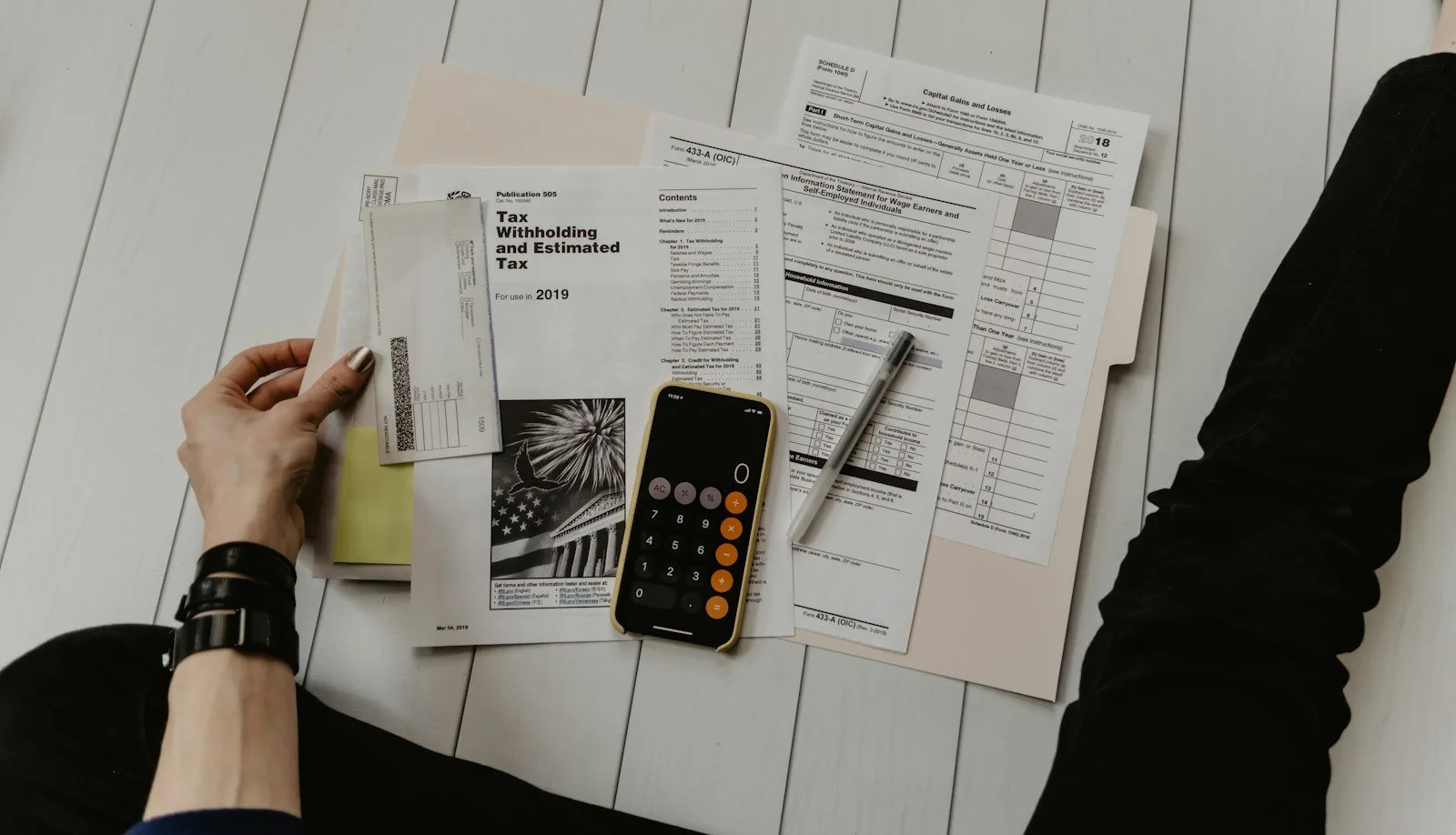
Money Prep: Credit, DTI, and What Lenders Actually Check
Mortgage underwriting is a story about ability (income and DTI), willingness (credit history), and collateral (the home’s appraisal and condition). First-time buyers usually stumble on documentation and reserves, not on “not knowing enough housing jargon.”
Credit score bands that matter in practice
| Score band (decision score) | Typical first-home path | Plain-English note |
|---|---|---|
| 580+ | FHA with 3.5% down | Common FHA entry for low-down purchase |
| 500–579 | FHA often needs 10% down | Possible but cash-heavy; many lenders set higher overlays |
| 620–640+ | Conventional / many USDA lenders | Lender overlays vary; higher scores price better |
| No FICO / thin file | Manual underwriting / alternative credit | Possible with strong compensating factors; slower |
FHA does not “ban” lower scores by statute the way social media claims, but lender overlays (extra rules on top of FHA) often do. Shop lenders who regularly close first-time FHA files if your score sits near the edge.
Debt-to-income (DTI)
For manually underwritten FHA loans, HUD’s handbook framework still centers on roughly 31% housing / 43% total as the standard benchmark, with higher combinations (up to about 40/50 in some compensating-factor cases) when credit and reserves support it. Automated underwriting can approve higher DTIs when the overall file is strong. Treat automated approvals as a ceiling test, not a lifestyle goal.
Documents to gather early
- Two years of W-2s (or tax returns if self-employed)
- Recent pay stubs
- Two months of bank/asset statements
- Gift letter + donor bank evidence if family helps with the down payment
- Photo ID, Social Security number, residential history
- Explanation letters for late payments, job gaps, or large deposits
Self-employed buyers should assume extra documentation (profit-and-loss, business returns). Start earlier than W-2 peers.

Loan Menu: FHA, VA, USDA, and Conventional Low-Down Options
Choosing a loan is the highest-leverage decision after “buy or wait.” Use this comparison, then confirm today’s overlays with your lender.
Program comparison (2026 buyer view)
| Feature | FHA | VA | USDA | Conventional (HomeReady / Home Possible style) |
|---|---|---|---|---|
| Who it fits | Many first-time & repeat buyers with mid credit | Eligible veterans, service members, some surviving spouses | Low/moderate income in eligible rural/suburban areas | Low/moderate income; often first-time focused |
| Down payment | 3.5% (580+); often 10% if 500–579 | Often 0% with entitlement | Often 0% | As low as 3% |
| Mortgage insurance / fees | Upfront + annual MIP | Funding fee (many); typically no monthly MI | Upfront + annual guarantee fee | PMI until you reach required equity (often removable) |
| Property rules | Primary residence; FHA property standards | Primary; VA property requirements | Must be in USDA-eligible area; income caps | Primary; condo/warrantability rules apply |
| 2026 loan-size note | FHA one-unit floor $541,287 / high-cost ceiling $1,249,125 (case #s on/after Jan 1, 2026) | Follows VA county limits / entitlement rules | Limits vary by area/program | Conforming limits set by FHFA; high-balance rules differ |
| Education | Often required for DPA stack | Rarely required by VA itself | Sometimes for layered assistance | Often required when all borrowers are first-time |
Sources for the FHA limit figures: HUD’s December 2025 announcement of calendar-year 2026 FHA forward limits (effective for case numbers assigned on or after January 1, 2026).
Which loan should you try first?
- VA eligible? Compare VA first. Zero down and no monthly mortgage insurance is hard to beat.
- Rural/eligible map + income under USDA caps? Compare USDA.
- Urban/suburban, mid credit, limited cash? Start with FHA and ask about stacking down payment assistance.
- Stronger credit, income within HomeReady/Home Possible AMI caps? Compare 3% conventional—PMI can often be canceled later, unlike typical FHA MIP timing rules.
Do not pick a loan from a meme. Pick from Loan Estimates.
Rate, points, and “payment shopping” traps
In 2026, many first-time buyers still chase the lowest advertised payment. That can hide discount points, lender credits that raise your rate, or temporary buydowns that expire. Ask every lender for:
- The interest rate and APR
- Whether you are paying points (and the dollar cost)
- Whether a lender credit is buying a higher rate
- The mortgage-insurance amount (FHA MIP, conventional PMI, USDA annual fee, or VA funding fee treatment)
- A comparable Loan Estimate on the same purchase price, down payment, and lock period
A lower payment that costs $4,000 more in fees is not automatically “better.” Run a simple break-even: extra upfront cost ÷ monthly savings = months to break even. If you might move or sell before that point, paying points is often a bad trade. This guide stays on the purchase path, not later loan remakes.
Condo and townhome extras
If your first home is a condo or townhome, add HOA questionnaire lead time, reserve-fund health, owner-occupancy ratios, and special-assessment risk to your checklist. Some FHA and conventional condo approvals fail late because the project—not you—cannot be warranted. Ask your lender to check project eligibility early.
For official FHA limit context, see HUD’s 2026 FHA loan limits announcement. If you are eyeing rural properties, run the USDA map/income tools before you fall in love with a listing outside the eligible boundary.

FHA Loan Requirements (What First-Time Buyers Must Know)
Searches for FHA loan requirements explode every spring buying season. Here is the practical checklist.
Core FHA purchase requirements
- Primary residence — you must occupy the home (with limited exceptions for certain situations your lender will explain).
- Credit — 580+ for the popular 3.5% down path at many lenders; lower scores may need more down and friendlier overlays.
- Down payment — minimum 3.5% from eligible sources (your savings, approved gifts, or approved assistance—not secret cash).
- Mortgage insurance — FHA charges an upfront mortgage insurance premium (often financed into the loan) plus an annual MIP paid monthly. How long MIP lasts depends on down payment/LTV and loan terms; ask for the MIP schedule in writing.
- Property condition — the home must meet FHA minimum property standards. Serious safety issues can force repairs before closing.
- Appraisal — an FHA appraisal supports value and flags obvious property concerns.
- DTI and residual income story — income must support the payment after debts.
- Loan limits — your county’s FHA max must cover the base loan amount. 2026 one-unit limits range from the national floor of $541,287 up to the high-cost ceiling of $1,249,125 (higher in special exception areas such as Alaska/Hawaii/Guam/USVI after FHA’s construction-cost adjustment).
What FHA does not do
FHA does not hand you a free down-payment grant by itself. People saying “FHA grant” usually mean state/local/nonprofit DPA paired with an FHA first mortgage. That pairing is common and powerful—but it is a stack of programs, not one federal gift certificate.
Compensating factors that help borderline files
- Cash reserves after closing
- Documented on-time housing history
- Stable employment
- Limited payment shock versus current rent
- Conservative use of credit
If your file is thin, a HUD-approved counselor plus a lender who still does manual underwriting can matter more than another week of Zillow scrolling.

First Time Home Buyer Programs 2026: Down Payment Assistance
Down payment assistance (DPA) is how many households clear the cash hurdle. Programs change by state, county, and city. Funding can open and close within a budget year. Treat directories as living documents.
Common DPA shapes
| Type | How it usually works | Watch-outs |
|---|---|---|
| Grant | Money you do not repay if you meet occupancy rules | Income caps; may require education; limited funds |
| Forgivable second mortgage | Second lien that shrinks/forgives over years you live there | Due if you sell or leave early; subordinations later |
| Deferred second | No monthly payment; due on sale/refi/transfer | Still debt on title; can complicate later loan changes |
| Repayable second | Low-rate second with payments | Raises total monthly cost |
| Lender/employer assistance | Credits or forgivable help tied to a lender or job | May lock you to one lender; read clawbacks |
Typical eligibility themes in 2026
- First-time status (often 3-year rule)
- Income at or below ~80–120% of Area Median Income (AMI) depending on program
- Credit minimums often 580–640
- Homebuyer education certificate
- Purchase price or loan caps
- Primary residence and sometimes target ZIP codes or property types
- Contribution of some of your own funds (even if small)
Examples of the shape of local help (amounts and rules change—verify before you rely on them): state housing finance agencies (for example CalHFA-style MyHome seconds, PHFA Keystone-style help, TSAHC-style Texas grants), and city programs such as New York City’s HomeFirst-style assistance for eligible buyers who complete approved education. Your metro will have its own brand names.
How to find real programs fast
- Start with CFPB’s explainer on where to find first-time home buyer programs, then call a HUD-approved counselor for a written list of active DPA options.
- Check your state Housing Finance Agency (HFA) site for first-time products.
- Ask your lender which DPA seconds they will actually close—a grant that no local lender will pair is useless.
- Confirm whether assistance can stack with FHA, conventional, VA, or USDA.
CFPB also points first-time buyers to HUD counseling resources when people ask where to find programs; start there instead of random “free grant” ads.

Cost Checklist: What Your First Home Really Costs
This is the table to print. Closing day is not the finish line for cash.
First-home cost checklist (illustrative $350,000 purchase)
| Cost item | Typical range / rule of thumb | Example dollars | Notes |
|---|---|---|---|
| Down payment (FHA 3.5%) | 3.5% of price | $12,250 | Higher for conventional 5–20% paths |
| Closing costs | Often 2–5% of price (CFPB); national avg near ~$4,661 incl. taxes/recording on recent Bankrate/Lodestar figures | $7,000–$17,500 budget band; many land nearer mid/low depending on state | Shop Loan Estimates; ask for seller credits |
| Appraisal | Often $400–$800+ | $600 | Sometimes paid upfront |
| Inspection(s) | $350–$800 general; more for specialists | $500–$1,200 | Worth every dollar |
| Earnest money | 1–3% common (market-dependent) | $3,500–$10,500 | Applied to your costs if deal closes |
| Prepaid taxes/insurance | Depends on escrow setup | $1,000–$4,000+ | Shows on Closing Disclosure |
| HOA transfer / condo docs | Varies | $200–$500+ | Condos/townhomes |
| Moving | DIY vs full service | $300–$3,000+ | Distance and volume drive cost |
| Immediate repairs / safety | Unknown until inspection | $500–$5,000+ | Budget a stub even on “updated” homes |
| Furniture / basics | Easy to overspend | $0–$5,000 | Sleep on a mattress; skip the showroom binge |
| Cash reserves after closing | 3–6 months expenses ideal | Varies | Non-negotiable if you want sleep |
Worked cash example (FHA-ish): On a $350,000 home with 3.5% down ($12,250) and $10,000 in closing/prepaids after seller credits, you might need roughly $22,000+ at the table—plus reserves. If family gifts $8,000 toward the down payment, document it correctly or underwriting will stall.
Bankrate’s closing-cost explainers put typical buyer closing costs around 2–5% of the loan amount and cite national averages near $4,661 including recording fees and taxes (about 1.6% of an average sale price in that dataset)—with huge state spreads (for example far higher totals in places like D.C. and New York than in many Midwestern states). Use local estimates, not a national average, when you set your savings target. CFPB’s prepare pages tell buyers to estimate closing costs at roughly 2–5% of the purchase price (separate from the down payment) before deciding how large a down payment they can truly fund—start with CFPB’s “figure out how much you want to spend” worksheet logic. Pair that with a local Loan Estimate rather than a national average alone.

Closing Costs for Your First Home (Line by Line)
Closing costs first home searches usually want a fee list. Here are the buckets that show up on Loan Estimates and Closing Disclosures:
Lender / loan costs
- Origination or underwriting fees
- Application/processing fees (sometimes bundled)
- Discount points (optional—buy down the rate only with a clear break-even plan)
- Credit report fee
- Appraisal fee
Third-party costs
- Title search and title insurance (owner’s vs lender’s policies)
- Settlement/escrow fee
- Courier/wire fees
- Pest inspection or other required reports
- Survey (when required)
Government / recording
- Recording fees
- Transfer taxes (buyer/seller split varies by locality)
- Prepaid property taxes
Prepaid / escrow
- Homeowners insurance premium
- Initial escrow deposit for taxes and insurance
- Prepaid daily interest
Negotiation levers
- Seller credits toward buyer closing costs (subject to loan-program limits)
- Lender credits in exchange for a higher rate (sometimes useful if you are cash-poor and will not keep the loan forever—run the math)
- Shopping title and insurance where your state allows
- Avoiding junk add-ons you do not need
CFPB research and commentary in recent years flagged rising median loan costs on purchase mortgages (median total loan costs were nearly $6,000 in 2022 in one CFPB discussion of fee pressure, with sharp growth from 2021–2023). That is why comparing Total Loan Costs across Loan Estimates matters more than arguing about a $75 underwriting line item in isolation. For a plain-English fee encyclopedia while you shop, use Bankrate’s closing costs guide.

House Hunting, Offers, Inspections, and Appraisal Gaps
Search like an underwriter
Look past staging. Check flood maps, insurance quotes early in risky markets, HOA reserves for condos, and whether the home will meet FHA/VA/USDA property expectations if you need those loans.
Offer strategy for first-time buyers
- Lead with a strong pre-approval and proof of funds for down payment/closing.
- Keep inspection contingency unless you truly understand the risk of waiving it (often unwise for first-timers).
- Use escalation clauses carefully; know your hard ceiling.
- Ask for seller closing-cost help when inventories favor buyers; prioritize repairs that affect safety and financing when inventories favor sellers.
Inspections
A general inspection is the minimum. Add sewer scopes on older lines, radon where common, and roof/foundation specialists when red flags appear. Paying $800 to avoid a $15,000 surprise is not optional “nice to have” spending.
Appraisal gaps
If the appraisal comes in low, you can renegotiate price, bring extra cash (if your loan and reserves allow), challenge with better comps (limited success), or walk if the contract lets you. Do not empty your emergency fund just to win a number on paper.

Underwriting to Closing Day: Keep the File Clean
Once you are under contract, your job is boring excellence.
Do:
- Upload documents the day your loan officer asks
- Keep money seasoned in your accounts; explain large deposits
- Maintain employment continuity
- Read the Closing Disclosure early and ask questions
- Verify wiring instructions by calling your title company on a known phone number
Don’t:
- Finance a car, boat, or furniture package
- Quit your job or switch to 100% commission without a lender plan
- Max out credit cards for moving aesthetics
- Hide debts or side income
- Skip the final walk-through
If a condition feels confusing, ask for a plain-English translation. First-time files die from silence more often than from “bad luck.”
Timeline expectations
A smooth file often looks like this:
| Phase | Typical timing | Your job |
|---|---|---|
| Pre-approval | 1–5 days | Send docs; authorize credit |
| Offer accepted | Day 0 | Open escrow; schedule inspection |
| Inspection/negotiation | Days 1–10 | Hire inspectors; decide repair asks |
| Appraisal ordered | Around week 1–2 | Keep utilities on for access |
| Underwriting conditions | Weeks 2–4 | Answer fast; avoid new debt |
| Clear to close | ~3–7 days before signing | Review Closing Disclosure |
| Closing & funding | Day of signing / next day | Wire verified funds; get keys |
DPA layers, condo questionnaires, repair escrows, and gift-fund seasoning can stretch any of these boxes. Build calendar margin if your lease end date is rigid.
Title, insurance, and the boring risks
Order homeowners insurance quotes early—especially in markets with storm, wildfire, or litigation-driven premium spikes. A lender can approve you and still refuse to fund without an acceptable insurance binder. Title issues (old liens, spelling errors, boundary disputes) are why you pay for title work: catch them before you own them.

Common First-Time Buyer Mistakes (And Better Moves)
- Confusing pre-qualification with pre-approval — Soft estimates do not win offers; full pre-approvals do.
- Spending the emergency fund at closing — Keep reserves. A water heater does not care that you just became an owner.
- Skipping counseling because it “takes time” — Counseling often unlocks DPA and prevents expensive myths.
- Choosing a house by payment alone — Taxes, insurance, HOA, and maintenance change the real number.
- Waiving inspection to look competitive — Get creative elsewhere (timing, earnest money, clean terms) before you waive vision.
- Ignoring insurance quotes — In some markets, insurance sticker shock kills deals after you are emotionally committed.
- Gift-fund chaos — Undocumented cash gifts stall underwriting; follow the gift-letter process.
- Buying at the absolute max approval — Approval is not the same as affordable.
Still deciding whether ownership beats renting on a multi-year spreadsheet? Use a dedicated rent vs buy decision guide for that math—then return to this process checklist when you are ready to execute.

FAQ: First-Time Homebuyer Guide 2026
1) What is the best first-time homebuyer guide checklist for 2026?
Credit clean-up, three cash piles (down payment, closing costs, reserves), HUD-approved counseling/education, pre-approval, loan comparison (FHA/VA/USDA/conventional), inspection-backed offer, clean underwriting, and a Closing Disclosure review. Programs and rates change; the sequence does not.
2) What are the FHA loan requirements for first-time buyers?
Occupy the home as a primary residence, meet credit/down-payment rules (commonly 580+ with 3.5% down), afford the payment under FHA DTI standards, buy a property that meets FHA standards within 2026 county loan limits, and pay FHA mortgage insurance premiums. Exact overlays vary by lender.
3) How much are closing costs on a first home?
Plan for roughly 2–5% of the purchase price on top of your down payment, per CFPB-style guidance. Recent national averages reported around $4,661 including taxes/recording, but state and loan differences are large—budget with a local Loan Estimate.
4) What first time home buyer programs 2026 should I check?
Start with your state Housing Finance Agency, city/county DPA, nonprofit help, and lender-accepted seconds that stack with FHA or conventional loans. A HUD-approved counselor is the fastest legitimate map. Ignore social-media “free government grant” spam.
5) How much down payment do I need?
Possibly 0% (VA/USDA if eligible), 3% (some conventional affordable programs), or 3.5% (typical FHA). Larger down payments can reduce mortgage insurance and rate pricing. Never fund a down payment by deleting your emergency reserves.
6) Can I use gift money for a down payment?
Often yes, with a gift letter and paper trail from an eligible donor. Rules differ by loan type. Ask your lender before money moves between accounts.
7) Do I need a 20% down payment to buy a house first time?
No. Millions of first-time buyers close with low-down-payment loans. Twenty percent mainly helps you avoid PMI on many conventional loans and reduces payment—nice, not mandatory.
8) How long does it take to buy a first home?
Pre-approval can take days. A typical contract-to-close timeline is about 30–45 days, longer if DPA, condos, repairs, or manual underwriting add conditions. Your prep work before offering determines whether that clock feels calm or chaotic.
Final Thoughts
A usable first-time homebuyer guide is less about inspirational quotes and more about sequence and cash. In 2026, FHA limits are higher than prior years, low-down-payment products still exist, and down payment assistance remains real—but local, income-capped, and paperwork-heavy. Your edge is boring: clean credit, documented funds, a counselor who knows your county, Loan Estimates you actually compare, and an inspection you do not romanticize away.
Buy the payment you can carry with reserves left over. Stack programs only when lenders will close them. Treat closing costs as a planned line item, not a surprise. And remember that the goal is not merely to get keys—it is to still be financially okay the month the water heater fails.
If a rural address is on your shortlist, confirm property and income fit on the USDA income and property eligibility site before you spend inspection money. Then execute the steps above like a project plan, not a leap of faith.

Leave a Reply