

In this article
- Key Takeaways
- What Is Insurance?
- Why Are There Different Types of Insurance?
- Term Life Insurance
- Permanent Life Insurance
- Does Homeowners Insurance Cover Flood Damage?
- What are the main types of insurance?
- What type of insurance is most important?
- What is the difference between life insurance and health insurance?
- Is renters insurance necessary?
- Is flood insurance included in homeowners insurance?
- Can insurance needs change over time?
Insurance can protect you from financial losses that may be difficult to handle on your own. A serious illness, car accident, property loss, disability, or death can create expenses that quickly affect your finances.
There are many types of insurance, and each policy is designed to address different risks. The right coverage depends on your income, assets, family responsibilities, property, health needs, occupation, and financial situation.
Key Takeaways
- Insurance helps manage financial risks from unexpected events.
- Common types include health, life, auto, homeowners, renters, disability, long-term care, and business insurance.
- Some specialized policies, such as flood, umbrella, pet, and travel insurance, address specific risks.
- Insurance policies can have premiums, deductibles, coverage limits, exclusions, waiting periods, and other conditions.
- The cheapest policy is not always the best option because price alone does not determine the level of protection.
- Your insurance needs can change when your income, family, property, employment, or financial responsibilities change.
What Is Insurance?
Insurance is a contract between an insurance company and a policyholder. The policyholder generally pays a premium, and the insurer agrees to provide certain financial protection when a covered event occurs, subject to the policy’s terms and conditions.
The amount an insurer pays depends on the coverage, limits, deductible, exclusions, and other provisions of the policy. Therefore, having insurance does not mean every loss will automatically be covered.
For example, auto insurance may cover certain losses after a covered accident, while homeowners insurance may protect against certain covered property damage. Health insurance can help pay for covered healthcare services under the terms of the health plan.
Why Are There Different Types of Insurance?
People face different financial risks throughout their lives. A homeowner faces property-related risks, while a renter may be more concerned about personal belongings and personal liability.
Similarly, someone with dependents may need life insurance to provide financial support after their death. A worker who depends on their income may consider disability insurance to help manage the financial impact of a qualifying disability.
Because these risks are different, insurance companies offer different policies for different needs.
1. Health Insurance
Health insurance helps pay for covered healthcare services and medical expenses according to the terms of a health plan.
Depending on the plan, coverage may include doctor visits, hospital services, preventive care, prescription drugs, laboratory services, and other eligible healthcare expenses.
Health insurance plans can differ significantly in their premiums, deductibles, copayments, coinsurance, provider networks, and out-of-pocket limits.
Common Health Insurance Terms
Premium: The amount you pay to maintain your health insurance coverage.
Deductible: The amount you generally pay for covered services before your plan begins paying according to its terms.
Copayment: A fixed amount you may pay for a covered healthcare service.
Coinsurance: A percentage of the cost of a covered service that you may pay after meeting applicable deductible requirements.
Because health plans vary, always check the specific plan documents to understand what is covered and what costs you may have to pay.

2. Life Insurance
Life insurance provides a death benefit to designated beneficiaries if the insured person dies while the policy is in force and the claim qualifies under the policy terms.
Life insurance can be useful for people who have dependents, outstanding financial obligations, or long-term income replacement needs.
The two broad categories are term life insurance and permanent life insurance.
Term Life Insurance
Term life insurance provides coverage for a specified period, such as 10, 20, or 30 years, depending on the policy.
If the insured dies during the covered term and the policy remains active, the insurer may pay the death benefit to the beneficiaries, subject to the policy terms.
Term life insurance generally does not build cash value.
Permanent Life Insurance
Permanent life insurance is designed to provide coverage for a longer period and may include a cash value component.
Common forms include:
- Whole life insurance
- Universal life insurance
- Variable life insurance
Permanent policies can have more complex costs, features, and risks than term policies. Buyers should understand the specific policy before making a decision.
3. Auto Insurance
Auto insurance helps protect drivers against certain financial losses resulting from covered accidents and other covered events.
Auto insurance requirements vary by state in the United States. The coverage you choose can also depend on your vehicle, financing arrangements, driving history, and financial situation.
Common Auto Insurance Coverages
Liability insurance can help pay for certain injuries or property damage you cause to another person in a covered accident, subject to policy limits.
Collision coverage generally helps pay for damage to your vehicle caused by a covered collision, subject to the deductible.
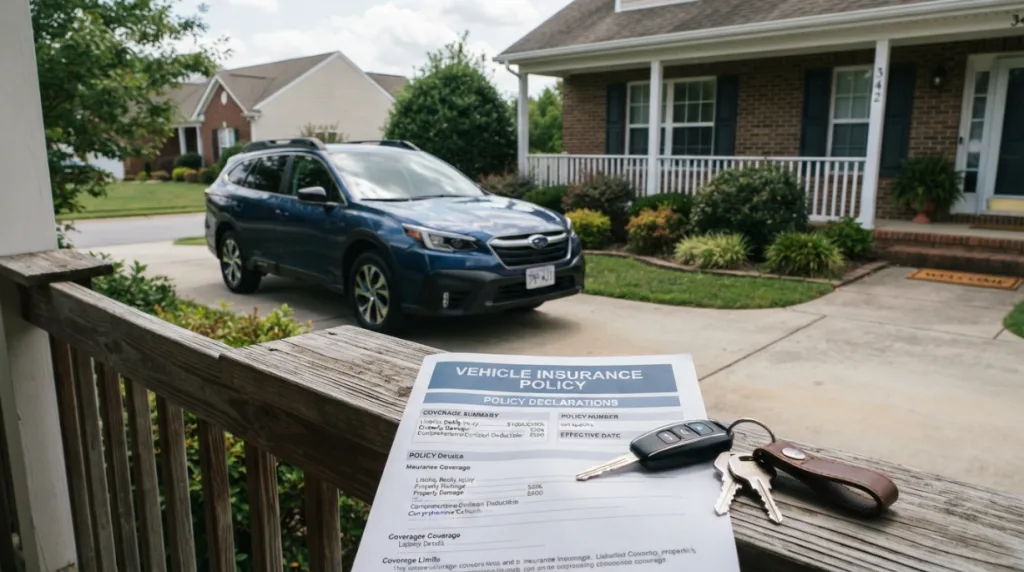
Comprehensive coverage generally covers certain non-collision losses, such as theft, vandalism, falling objects, or certain weather-related damage, subject to the policy terms.
Uninsured or underinsured motorist coverage can provide protection in certain situations involving a driver who has insufficient or no applicable liability insurance.
Not every driver needs every optional coverage, so compare your risks and financial circumstances before choosing a policy.
4. Homeowners Insurance
Homeowners insurance provides several types of protection for eligible losses involving a covered home and personal property.
A homeowners policy may provide coverage for:
- The dwelling
- Other structures on the property
- Personal property
- Certain additional living expenses
- Personal liability
- Certain medical payments to others
The exact protection depends on the policy.
Homeowners insurance does not cover every possible cause of loss. Certain risks, including flooding, may require separate insurance or additional coverage.
Does Homeowners Insurance Cover Flood Damage?
Standard homeowners insurance generally does not provide broad coverage for flood damage.
If you live in an area where flooding is a concern, separate flood insurance may be worth considering. Coverage, limits, exclusions, and eligibility requirements depend on the policy.
5. Renters Insurance
Renters insurance is designed for people who rent a home or apartment.
Unlike homeowners insurance, renters insurance generally does not insure the building itself. The property owner normally maintains insurance for the building.

A renters policy may provide coverage for:
- Personal belongings
- Personal liability
- Certain additional living expenses
- Certain medical payments to others
For example, a covered loss may damage your belongings inside a rented apartment. A renters policy may help with eligible losses according to its terms and limits.
6. Disability Insurance
Disability insurance can provide income replacement when a covered disability prevents you from working, depending on the policy’s definition of disability and other requirements.
For many people, their ability to earn an income is one of their most important financial assets. A long-term inability to work can therefore create significant financial pressure.
Disability insurance may be available through an employer or purchased individually.
Important policy features can include:
- Benefit amount
- Elimination or waiting period
- Benefit period
- Definition of disability
- Exclusions
- Premium structure
Always review these provisions because policies can differ considerably.

7. Long-Term Care Insurance
Long-term care insurance is designed to help cover certain long-term care services when the policyholder meets the policy’s eligibility requirements.
Long-term care may involve assistance with everyday activities or certain care services provided at home, in a community setting, or in a facility.
Policies can differ in their benefit amounts, waiting periods, covered services, exclusions, and benefit durations.
Long-term care insurance is different from standard health insurance because it focuses on qualifying long-term care needs rather than ordinary medical treatment.
8. Umbrella Insurance
Umbrella insurance provides additional liability protection above certain underlying insurance policies, such as homeowners or auto insurance.
For example, a person with significant assets or greater liability exposure may consider umbrella insurance as an additional layer of protection.
Umbrella insurance generally does not replace your underlying policies. Instead, it can provide additional liability coverage when qualifying claims exceed the limits of certain underlying policies, subject to the umbrella policy’s terms.
9. Business Insurance
Business insurance helps businesses manage financial risks associated with their operations.
The right coverage depends on factors such as the industry, business structure, employees, property, customers, vehicles, contracts, and specific risks.
Common forms of business insurance include:
- General liability insurance
- Commercial property insurance
- Professional liability insurance
- Workers’ compensation insurance
- Commercial auto insurance
- Business interruption coverage
- Cyber insurance
Not every business needs all of these policies. Legal requirements and insurance needs can vary by state, industry, and business activity.
10. Travel Insurance
Travel insurance can provide financial protection against certain unexpected events affecting a trip.
Depending on the policy, coverage may include certain trip cancellations, trip interruptions, travel delays, baggage problems, or emergency medical expenses.
Travel insurance policies vary widely. Some policies exclude specific situations, and coverage may depend on when the policy was purchased and the circumstances of the event.
Read the policy carefully before purchasing travel insurance so you understand its covered events, exclusions, limits, and claim requirements.

11. Pet Insurance
Pet insurance helps eligible pet owners manage certain veterinary expenses for covered accidents, illnesses, or other eligible conditions, depending on the policy.
Policies can differ in deductibles, reimbursement percentages, annual limits, waiting periods, covered treatments, and exclusions.
Pre-existing conditions are an important consideration because many pet insurance policies exclude conditions that existed before coverage began.
Pet insurance is optional, but it may help reduce the financial impact of unexpected veterinary bills.
12. Professional Liability Insurance
Professional liability insurance protects certain professionals against covered claims related to alleged errors, omissions, or failures in professional services.
This type of coverage is also commonly called errors and omissions insurance, although terminology can vary by profession and policy.
Professionals who provide advice, expertise, or specialized services may face claims alleging that their work caused financial harm to a client.
Coverage depends on the policy, profession, exclusions, and claim circumstances.
13. Flood Insurance
Flood insurance provides coverage for qualifying flood-related losses under the terms of the policy.
Flood damage is an important insurance consideration because standard homeowners insurance generally does not provide broad flood protection.
Flood insurance can be particularly relevant for property owners and renters in areas exposed to flood risk. However, flood policies can have specific definitions, limits, exclusions, deductibles, and waiting periods.
Before buying a policy, check exactly what the insurer considers a covered flood and which property or belongings are protected.
14. Motorcycle Insurance
Motorcycle insurance provides coverage for certain risks associated with owning and operating a motorcycle.
Depending on the policy and state requirements, coverage may include liability, collision, comprehensive, and uninsured or underinsured motorist protection.
Some policies may also offer additional coverage options for accessories, custom equipment, or other motorcycle-related risks.
State insurance requirements vary, so riders should understand both the legal minimums and the protection they may need beyond those minimums.
How to Choose the Right Types of Insurance
Choosing insurance starts with identifying the financial risks that could seriously affect your finances.
You do not necessarily need every type of insurance available. Instead, focus on risks that could create a financial loss you would struggle to pay for yourself.
Consider these factors:
1. Your income
Your income affects your ability to pay insurance premiums and may influence your need for disability or life insurance.
2. Your family responsibilities
If other people depend on your income, life insurance and other forms of financial protection may become more important.
3. Your assets
Your home, vehicles, savings, investments, and business interests can affect your insurance needs.
4. Your health needs
Your expected healthcare expenses, preferred providers, prescriptions, and ability to handle out-of-pocket costs can influence your health insurance choice.
5. Your financial obligations
A mortgage, auto loan, business debt, or other major financial responsibility may affect the type and amount of coverage you consider.
6. Your risk exposure
Your occupation, location, property, driving habits, business activities, and lifestyle can all influence the risks you face.
Premium vs. Deductible
Premiums and deductibles are two important insurance costs, but they are not the same thing.
A premium is the amount you pay to maintain insurance coverage. Depending on the policy, premiums may be paid monthly, quarterly, annually, or according to another payment schedule.
A deductible is an amount you generally pay toward a covered loss before the insurer pays according to the policy. Deductibles work differently across insurance products.
For some policies, choosing a higher deductible can reduce the premium. However, you may have to pay more out of pocket when a covered claim occurs.
What Is an Insurance Claim?
An insurance claim is a request for benefits or payment under an insurance policy after a covered event occurs.
The insurance company reviews the claim and determines whether the loss qualifies for coverage under the policy. The decision may depend on the circumstances, documentation, exclusions, deductibles, limits, and other policy provisions.
When appropriate, keep documents such as receipts, photographs, repair estimates, medical records, police reports, and other relevant evidence to support your claim.
Common Insurance Mistakes to Avoid
Understanding your policy can help you avoid unpleasant surprises when you need coverage.
Common mistakes include:
- Choosing a policy based only on price
- Ignoring coverage limits
- Selecting a deductible you cannot comfortably afford
- Failing to review exclusions
- Not updating beneficiaries when appropriate
- Buying insufficient liability protection
- Assuming every type of damage is covered
- Allowing important coverage to lapse
- Failing to review your insurance after major life changes
- Not comparing policy features and terms
A policy with a low premium may provide less protection or higher out-of-pocket costs. Compare the entire policy rather than looking at price alone.
How Many Types of Insurance Do You Need?
There is no universal number of insurance policies that everyone needs.
A young renter with limited assets may have different needs from a homeowner with children, multiple vehicles, and a business. Your financial responsibilities, assets, income, and exposure to risk should guide your decisions.
A useful approach is to identify the financial losses you could not comfortably handle with your current savings. Then determine which risks can reasonably be transferred through insurance.
Frequently Asked Questions
What are the main types of insurance?
The main types commonly considered by individuals and families include health, life, auto, homeowners, renters, disability, and long-term care insurance. Other policies, such as umbrella, flood, travel, pet, and business insurance, address more specific risks.
What type of insurance is most important?
There is no single insurance policy that is most important for everyone. Your priorities depend on your circumstances. Health, auto, homeowners or renters, life, and disability coverage can each play an important role for different people.
What is the difference between life insurance and health insurance?
Life insurance generally provides a death benefit to beneficiaries after the insured person’s death, subject to the policy terms. Health insurance helps cover eligible healthcare expenses while the insured person is alive.
Is renters insurance necessary?
Renters insurance may not be legally required in every situation, but a landlord may require it as part of a rental agreement. Even when it is not required, it can help protect personal belongings and provide liability coverage.
Is flood insurance included in homeowners insurance?
Standard homeowners insurance generally does not provide broad flood coverage. Separate flood insurance may be necessary for protection against qualifying flood-related losses.
Can insurance needs change over time?
Yes. Insurance needs can change after events such as marriage, having children, buying a home, changing jobs, starting a business, purchasing a new vehicle, or experiencing major changes in income or assets.
Final Thoughts
Understanding the different types of insurance can make financial planning easier. Each policy addresses a different type of risk, and the right combination depends on your personal circumstances.
Health insurance can help manage eligible healthcare costs, while life insurance can provide financial support to beneficiaries. Auto, homeowners, and renters insurance can protect against different property and liability risks. Disability and long-term care insurance can address specific income and care-related risks.
The goal is not to buy every available policy. Instead, identify the risks that could cause serious financial damage and consider appropriate coverage for those risks.
Before purchasing an insurance policy, compare the premium, deductible, coverage limits, exclusions, waiting periods, benefits, and claim requirements. Because insurance rules and requirements can vary by state and policy, review the actual policy documents and seek advice from a qualified insurance professional when necessary.


Leave a Reply