

In this article
- What Does It Mean to Manage Money?
- 1. Know Exactly How Much You Earn
- 2. Track Where Your Money Goes
- 3. Create a Budget You Can Actually Follow
- 4. Use the 50/30/20 Rule as a Starting Point
- 5. Build an Emergency Fund
- 6. Separate Needs From Wants
- 7. Make a Plan to Pay Down High-Interest Debt
- 8. Automate Your Savings
- 9. Invest for Your Long-Term Goals
- 10. Review Your Finances Every Month
- How to Manage Money on a Low Income
- Common Money Management Mistakes to Avoid
- A Simple Monthly Money Management Checklist
- How Long Does It Take to Get Better at Managing Money?
- Frequently Asked Questions
- Final Thoughts
Managing money well does not mean becoming rich overnight or cutting every enjoyable expense from your life. It simply means understanding where your money goes and making thoughtful decisions about how you use it.
Good money management can help you cover everyday expenses, build savings, reduce financial stress, prepare for unexpected costs, and work toward long-term financial goals.
The good news is that managing money does not have to be complicated. A simple approach based on budgeting, saving, responsible spending, debt management, and long-term planning can make a noticeable difference.
If you are wondering how to manage money more effectively, these 10 practical tips can help you develop healthier financial habits.
What Does It Mean to Manage Money?
Money management is the process of deciding how to use your income to cover essential expenses, enjoy your life, prepare for unexpected costs, and make progress toward future financial goals.
A strong money management system usually includes:
- Tracking your income and expenses
- Creating a realistic budget
- Saving money consistently
- Building an emergency fund
- Controlling unnecessary spending
- Managing and reducing debt
- Investing for long-term goals
- Reviewing your finances regularly
The goal is not simply to spend as little as possible. Instead, it is to make sure your money is being used in ways that support your priorities and financial goals.
1. Know Exactly How Much You Earn
Before deciding how much you can spend or save, you need to know how much money you actually have available each month.
If you receive a regular paycheck, use your take-home pay after taxes and other deductions when creating your budget.
If you are self-employed, freelance, or have an irregular income, look at your earnings over several months and calculate a reasonable average. You may also want to base your essential budget on a lower-income month so that you have more flexibility when your earnings fall.
For example, if your monthly income typically ranges from $2,000 to $2,500, building your basic budget around $2,000 can make it easier to handle months when your income is lower.
Understanding your actual income gives you a realistic starting point for managing your money.
2. Track Where Your Money Goes
One of the easiest ways to improve your finances is to understand your current spending habits.

For at least one month, record every major expense. You can use a spreadsheet, budgeting app, notebook, or your bank and credit card statements.
Consider organizing your expenses into categories such as:
- Housing
- Groceries
- Transportation
- Utilities
- Insurance
- Debt payments
- Entertainment
- Shopping
- Subscriptions
- Savings and investments
Small purchases can add up faster than you might expect.
For example, spending $7 a day on coffee, snacks, or other small purchases adds up to approximately $210 over 30 days.
That does not mean every small purchase is a problem. The important thing is to understand your spending patterns and decide whether your expenses reflect your priorities.
Once you know where your money is going, it becomes much easier to decide what you want to change.
3. Create a Budget You Can Actually Follow
A budget is simply a plan for how you will use your income.
Start by writing down your monthly take-home income. Then list your essential expenses, financial goals, debt payments, and discretionary spending.
A basic budget can be divided into three areas:
Needs:
Rent or mortgage, groceries, utilities, transportation, insurance, and other essential bills.
Financial goals:
Emergency savings, debt repayment, retirement contributions, and other investments.
Wants:
Restaurants, entertainment, hobbies, travel, shopping, and other optional expenses.
Your budget should fit your actual lifestyle.
If your budget is extremely restrictive, you may find it difficult to follow for more than a few weeks. A realistic budget that allows some flexibility is often more effective than a perfect budget that you cannot maintain.
The best budget is one you can consistently follow.
4. Use the 50/30/20 Rule as a Starting Point
The 50/30/20 rule is a popular budgeting framework that divides after-tax income into three broad categories:
- 50% for needs
- 30% for wants
- 20% for savings and financial goals
For example, if you take home $3,000 per month, the framework would suggest approximately:
- $1,500 for needs
- $900 for wants
- $600 for savings and financial goals
However, these percentages are not strict requirements.
Your ideal budget may look very different depending on your income, housing costs, family responsibilities, debt, location, and financial goals.
For example, someone with high-interest debt may choose to reduce discretionary spending and direct more money toward debt repayment.
Think of the 50/30/20 rule as a starting framework rather than a formula that everyone must follow.
5. Build an Emergency Fund
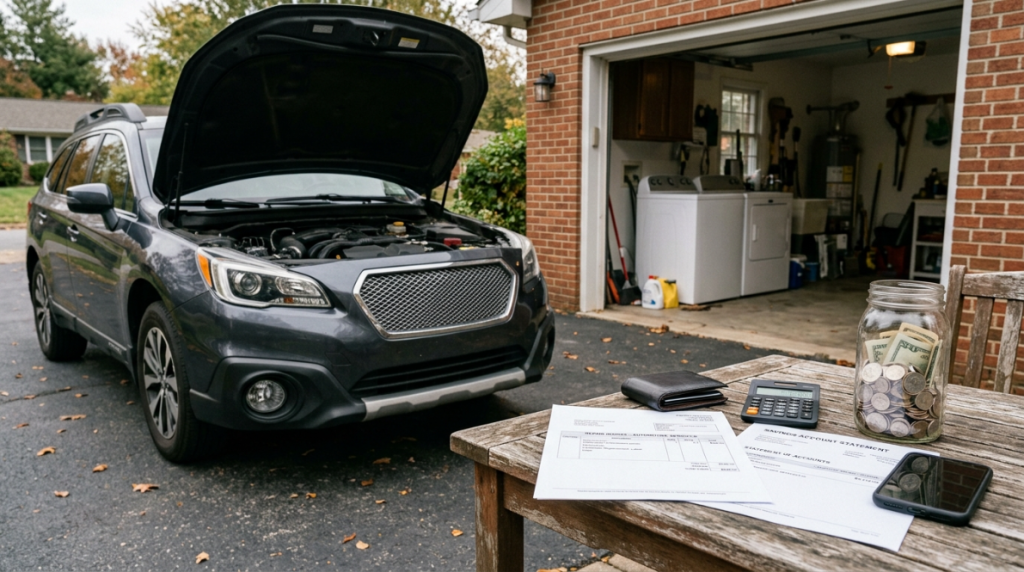
Unexpected expenses can disrupt even the most carefully planned budget.
A major car repair, medical bill, urgent trip, damaged appliance, or temporary loss of income can become difficult to handle if you have no savings available.
An emergency fund provides a financial cushion for situations like these.
If you currently have no emergency savings, start with an amount that feels manageable. Even $25, $50, or $100 per month can help you develop a consistent saving habit.
As your financial situation improves, gradually work toward building enough emergency savings to cover several months of essential expenses.
Keep emergency savings in an account that is relatively safe and easily accessible. Emergency money generally should not be exposed to unnecessary investment risk because you may need to access it quickly.
6. Separate Needs From Wants
Not every expense has the same level of importance.

Before making a purchase, ask yourself whether it is a genuine need, a useful expense, or something you simply want at the moment.
For example:
Needs may include:
- Rent or mortgage
- Groceries
- Electricity
- Transportation
- Essential insurance
- Required debt payments
Wants may include:
- Expensive dining
- Entertainment
- New gadgets
- Non-essential shopping
- Luxury purchases
The goal is not to eliminate everything you enjoy.
Instead, give discretionary spending a place in your budget. This allows you to enjoy your income without letting optional purchases interfere with important financial goals.
A simple question such as “Do I really need this right now?” can also help reduce impulse spending.
7. Make a Plan to Pay Down High-Interest Debt
High-interest debt can make it harder to improve your financial situation because a significant portion of your payments may go toward interest.
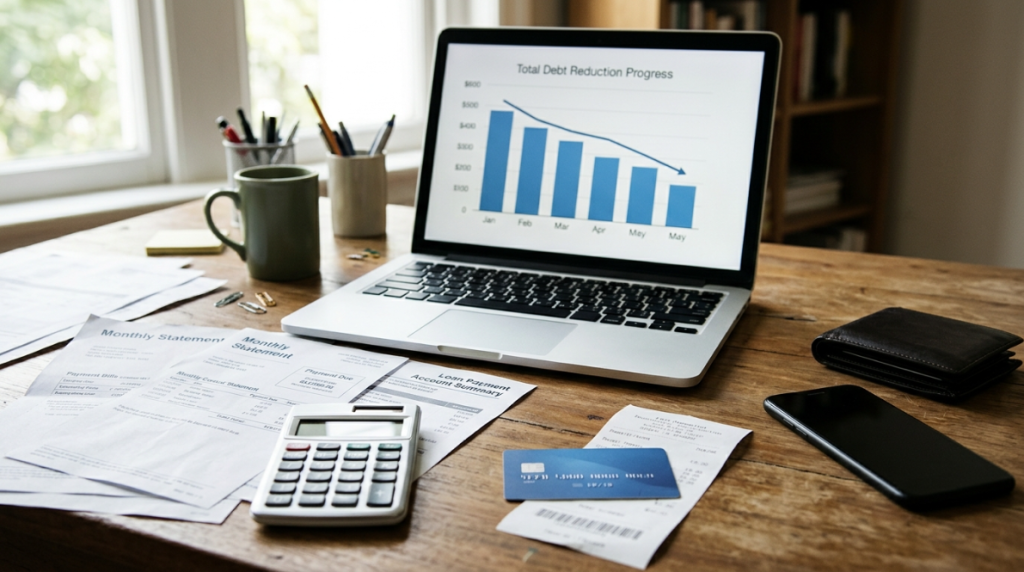
Start by making a list of your debts and include:
- Outstanding balance
- Interest rate
- Minimum monthly payment
- Due date
Then choose a repayment strategy that fits your situation.
With the debt avalanche method, you focus on paying off the debt with the highest interest rate first while continuing to make the required minimum payments on your other debts.
With the debt snowball method, you focus on the smallest balance first. After paying it off, you move that payment toward the next smallest balance.
The avalanche method can potentially reduce total interest costs, while the snowball method can provide quicker psychological wins.
Neither method is automatically right for everyone. The most useful strategy is one that you can follow consistently while keeping up with required payments.
8. Automate Your Savings
Saving becomes easier when you do not have to remember to transfer money every month.
Consider setting up an automatic transfer from your main bank account to a separate savings account shortly after receiving your income.
For example:
$150 per month × 12 months = $1,800 per year
If your income increases later, consider increasing your automatic contribution as well.
You can also create separate savings goals for different purposes, such as:
- Emergency fund
- Vacation
- Education
- Home purchase
- Major purchases
- Retirement
Automation makes saving a regular part of your financial routine instead of something you only do when money happens to be left over.
9. Invest for Your Long-Term Goals
Once your basic financial foundation is in place, investing may help you work toward long-term financial goals.

Depending on your country, financial situation, and investment objectives, options may include:
- Stocks
- Bonds
- ETFs
- Index funds
- Mutual funds
- Retirement accounts
Before investing, consider factors such as your investment timeframe, risk tolerance, diversification, fees, and financial goals.
It is generally wise to avoid putting money needed for near-term expenses or emergencies into investments that could lose value.
Remember that investing involves risk. The value of investments can rise and fall, and past performance does not guarantee future results.
Rather than investing simply because an asset is popular, make sure you understand what you are buying and how it fits into your overall financial plan.
10. Review Your Finances Every Month
Money management is not something you do once and forget about.
Your income, expenses, responsibilities, and financial goals can change over time. Regular reviews help you identify problems early and adjust your plan when necessary.
At the end of each month, review:
- How much you earned
- How much you spent
- How much you saved
- Whether your debt decreased
- Whether you stayed within your budget
- Whether you made progress toward your goals
- Which expenses need attention next month
This review does not have to take hours.
Even 20 to 30 minutes can be enough to look at your accounts, review your spending, and make adjustments for the following month.
How to Manage Money on a Low Income
Managing money can be especially challenging when your income is limited, but the basic principles still apply.
Start by protecting your essential expenses. Determine how much you need for housing, food, utilities, transportation, and required payments.
Then review your recurring expenses and look for realistic opportunities to reduce costs.
You can also explore ways to increase your income. Depending on your skills and circumstances, this could include freelancing, part-time work, selling services, or developing another legitimate source of income.
If you cannot save a large amount right now, do not assume that saving is pointless.
Even a small emergency fund can provide some financial flexibility and may help you avoid relying on expensive debt when an unexpected expense occurs.
Focus on making steady improvements rather than trying to completely change your finances overnight.
Common Money Management Mistakes to Avoid
Even people with relatively high incomes can experience financial problems when they develop poor money habits.
Spending Without Tracking
If you do not know where your money is going, it becomes difficult to identify unnecessary expenses or areas where you could save.
Depending Too Much on Credit
Using credit to regularly cover expenses without a clear repayment plan can lead to growing balances and increasing interest costs.
Having No Emergency Savings
Without a financial cushion, an unexpected expense may force you to borrow money or rely on credit.
Ignoring High-Interest Debt
High interest can make debt significantly more expensive over time and reduce the amount of money available for saving and investing.
Increasing Spending Whenever Income Rises
A higher income does not automatically create financial security. If spending increases at the same rate as income, your financial situation may not improve much.
Investing Without Understanding the Risks
Do not invest simply because an asset is popular or someone claims it will increase in value.
Understand the potential risks, fees, volatility, and purpose of an investment before committing your money.
A Simple Monthly Money Management Checklist
At the beginning or end of every month, take a few minutes to review your finances.
Use this simple checklist:
- Check your total income
- Review your previous month’s spending
- Pay essential bills on time
- Transfer money to savings
- Make planned debt payments
- Review subscriptions and recurring expenses
- Check your progress toward financial goals
- Plan for upcoming large expenses
Following the same routine every month can make money management easier and help prevent small financial problems from becoming larger ones.
How Long Does It Take to Get Better at Managing Money?
There is no fixed timeline for becoming better at managing money.
You can start improving your financial habits immediately by tracking your spending, creating a budget, and setting a realistic savings goal.
However, building substantial savings, paying off significant debt, and reaching long-term investment goals can take months or even years.
Consistency matters more than speed.
For example, saving $100 every month may not seem dramatic at first, but that habit adds up to $1,200 over a year before considering any interest or investment growth.
The key is to create financial habits that you can maintain over the long term.
Frequently Asked Questions
What Is the Easiest Way to Start Managing Money?
Start by tracking your income and expenses for one month.
Once you understand where your money is going, create a simple budget and choose one realistic savings goal. You do not need to change everything at once.
How Much Money Should I Save Each Month?
There is no single savings amount that works for everyone.
The 50/30/20 framework suggests allocating around 20% of after-tax income toward savings and financial goals, but your actual amount should depend on your income, expenses, debt, and priorities.
If 20% is not realistic, start with a smaller amount and increase it as your financial situation improves.
Should I Save Money or Pay Off Debt First?
It depends on the type of debt and your overall financial situation.
Building at least a small emergency cushion can help prevent unexpected expenses from creating new debt. At the same time, high-interest debt may deserve aggressive repayment because of its potentially high cost.
A balanced approach can help you make progress on both goals.
Is the 50/30/20 Rule Suitable for Everyone?
No.
The 50/30/20 rule is a budgeting guideline, not a requirement. People with different incomes, living costs, family responsibilities, and debt levels may need different budget allocations.
Use it as a starting point and adjust the percentages to fit your circumstances.
When Should I Start Investing?
There is no universal date or income level at which everyone should start investing.
Before investing, consider whether you have enough financial stability to handle your essential expenses and unexpected costs.
Your investment choices should match your goals, timeframe, risk tolerance, and financial circumstances.
Final Thoughts
Learning how to manage money does not require a complicated financial strategy.
Start with the basics: understand your income, track your spending, create a realistic budget, build emergency savings, manage high-interest debt, and plan for long-term goals.
You do not have to change every financial habit at once.
Start with one improvement. Track your progress, adjust your budget when your circumstances change, and gradually build better financial habits.
The goal of money management is not to control every dollar perfectly. It is to give your money a clear purpose and create a stronger financial foundation for the future.



Leave a Reply