
In this article
- TL;DR: The Quick Answer
- What Exactly Is Refinancing?
- The Three Main Types of Refinancing
- Mortgage Refinancing in 2026: Who Actually Benefits?
- Auto Loan Refinancing: Fast, Cheap, and Often Overlooked
- Student Loan Refinancing: Great Rates, One Big Warning
- The Break-Even Calculation: The Only Number That Matters
- Pros and Cons of Refinancing
- How Refinancing Affects Your Credit Score
- When NOT to Refinance
- How to Refinance in 5 Steps
- Frequently Asked Questions
- Final Verdict
TL;DR: The Quick Answer
Refinancing means paying off your existing loan with a new loan that has better terms — usually a lower interest rate, a lower monthly payment, a shorter payoff timeline, or a switch from an adjustable to a fixed rate. It works for mortgages, auto loans, student loans, personal loans, and credit card debt. It is worth it when your monthly savings outweigh the upfront costs before you plan to sell or pay off the new loan. In October 2026, the average 30-year fixed refinance rate sits around 7.3–7.6%, so you will typically benefit only if your current rate is at least 0.75–1 percentage point higher, or if you want to tap equity or remove a cosigner. If you have federal student loans, refinancing them into a private loan is a one-way door that strips away federal protections — think twice.
What Exactly Is Refinancing?
Refinancing is the process of replacing one debt obligation with another under different terms. Experian’s plain-English guide to refinancing describes it as taking out a new loan to pay off the old one, ideally at a lower interest rate or with more favorable repayment terms. You apply with a lender, get approved based on your current credit score and income, and the new lender pays off your original balance. From that point on, you make payments to the new lender under the new agreement.
People refinance for five main reasons: to lock in a lower interest rate, to shrink their monthly payment, to pay off the loan faster with a shorter term, to switch from an adjustable rate to a fixed rate, or to borrow extra cash against their equity (a cash-out refinance). The core idea is simple — trade your old loan for a better one — but the math and the fine print decide whether you actually come out ahead.
The Three Main Types of Refinancing
| Type | What It Does | Best For |
|---|---|---|
| Rate-and-term refinance | Changes the interest rate, loan term, or both — no cash back | Lowering your rate or paying off faster |
| Cash-out refinance | New loan is larger than the old one; you pocket the difference in cash | Home renovations, debt consolidation, big expenses |
| Streamline refinance | Minimal paperwork, no appraisal (FHA/VA/USDA only) | Quick rate reduction with less hassle |
A rate-and-term refinance is the most common and usually the safest. A cash-out refinance can be smart for high-interest debt or home improvements, but it increases your mortgage balance and puts your home at more risk. If you are only looking to borrow against equity without touching your first mortgage, a second mortgage or home equity line of credit may be a better fit.
Mortgage Refinancing in 2026: Who Actually Benefits?
As of October 2026, the national average 30-year fixed refinance rate is roughly 7.3–7.6% — Freddie Mac’s weekly survey pegs it at 7.28%, while Bankrate’s lender survey shows 7.55% with a 7.62% APR, per Bankrate’s live refinance rates. Fifteen-year refinance rates run about 6.6–7.0%. Because rates have stayed elevated, many homeowners who locked in 3–4% mortgages in 2020–2021 have no reason to refinance at all — their current rate is far below today’s market.
Refinancing makes sense in 2026 if you fall into one of these groups:
- You took out a mortgage in 2023–2024 at 7.5% or higher and can now shave at least 0.75–1 point off.
- You have an adjustable-rate mortgage (ARM) and want to lock in a fixed rate before it resets.
- You want to switch from a 30-year to a 15-year loan and can afford the higher payment.
- You have at least 20% equity and want to remove private mortgage insurance (PMI).
- You need cash for home improvements or high-interest debt and have substantial equity.
Closing costs on a mortgage refinance typically run 2–6% of the loan amount — on a $300,000 loan, that is $6,000–$18,000. Origination fees, appraisal, title search and insurance, and recording fees make up most of it. You can sometimes roll costs into the loan, but that increases your balance and total interest. Before you commit, run the numbers with our mortgage calculator to see the new payment side by side with your current one.

Auto Loan Refinancing: Fast, Cheap, and Often Overlooked
Auto loan refinancing is the easiest and cheapest type of refi — there is usually no appraisal, minimal fees, and the whole process can take a few days. The average auto refinance rate across all credit scores was about 8.05% in mid-2026, according to LendingTree marketplace data, with new-car refinance rates around 6.4% and used-car rates around 11.4%. Borrowers who refinance save roughly $75–$100 per month on average, and many qualify with a credit score around 600 or higher, though the best rates go to borrowers at 660+.
You should consider refinancing your car loan if:
- You financed at the dealership and never negotiated the rate.
- Your credit score has improved by 50+ points since you bought the car.
- You are stuck with a used-car rate above 10%.
- You want to remove a cosigner from the loan.
The catch: you generally cannot refinance a car that is more than about 10 years old or one worth less than what you owe (negative equity). And if you extend the loan term just to lower the payment, you may pay more total interest even at a lower rate. Keep the same term or shorten it whenever you can.

Student Loan Refinancing: Great Rates, One Big Warning
If you have strong credit and stable income, refinancing student loans can save thousands. Federal undergraduate loans taken out for 2026–27 carry a fixed rate of 6.52%, graduate loans 8.07%, and Parent PLUS loans 9.07%. Private refinance lenders offered fixed rates from roughly 4–9% in late 2026, with the lowest rates going to borrowers with excellent credit. On a $50,000 balance at 7%, refinancing to 5% over 10 years saves about $5,500 in total interest.
But here is the critical warning: refinancing federal student loans into a private loan is permanent. You lose every federal protection, including:
- Income-driven repayment plans that cap payments at a percentage of your income
- Forbearance and deferment options during unemployment or hardship
- Public Service Loan Forgiveness (PSLF) for teachers, nurses, and government workers
- Potential future loan forgiveness or relief programs
Never refinance federal loans if you work in public service, need income-driven repayment, or think you may need forbearance. If you have private loans already, refinancing carries no such risk — shop around freely. For multiple debts, our guide on debt consolidation compares refinancing with other payoff strategies.

The Break-Even Calculation: The Only Number That Matters
Refinancing costs money upfront, so the decision always comes down to one formula, as NerdWallet’s break-even guide lays out:
Break-even point (months) = Total closing costs ÷ Monthly savings
Example: You pay $5,000 in closing costs to refinance, and your new payment is $200 lower. $5,000 ÷ $200 = 25 months. If you plan to stay in the home (or keep the loan) for more than 25 months, you come out ahead. If you will sell or refinance again before then, the refi costs more than it saves.
A few refinements make this more accurate:
- Use the after-tax monthly savings for a mortgage, since mortgage interest is tax-deductible for many filers.
- Include any points you pay to buy down the rate.
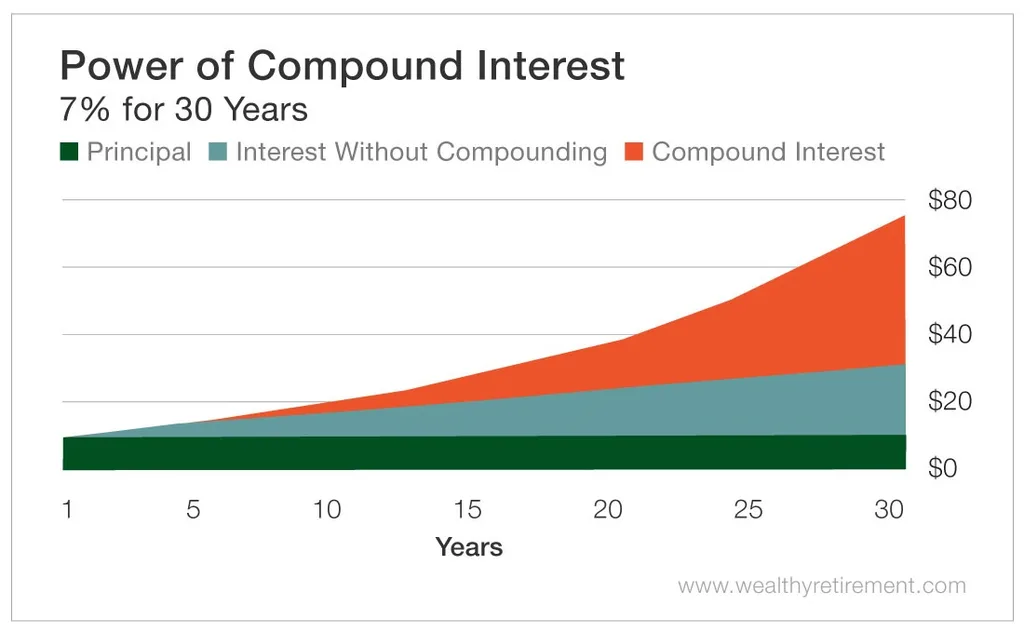
- Compare total interest over the life of both loans, not just the monthly payment — extending your term can lower the payment while increasing total interest.
Pros and Cons of Refinancing
| Pros | Cons |
|---|---|
| Lower interest rate saves thousands over time | Upfront closing costs (2–6% of mortgage balance) |
| Lower monthly payment frees up cash | Hard credit inquiry temporarily dings score |
| Shorter term pays off debt faster | Extending term can increase total interest |
| Switch from ARM to fixed rate removes uncertainty | Cash-out refi increases debt and risk |
| Remove PMI or a cosigner | Federal student loans lose all protections |
| Tap home equity for renovations or debt | Not worth it if you move before break-even |
How Refinancing Affects Your Credit Score
When you apply for refinancing, the lender runs a hard credit inquiry, which typically drops your FICO score by about 5–10 points temporarily. The good news: if you rate-shop with multiple lenders within a 14–45 day window (FICO counts a 45-day window; VantageScore uses 14 days), all those inquiries count as a single inquiry. So get prequalified with several lenders at once rather than dragging the process out over months. Once the new loan is open and you make on-time payments, your score recovers and often improves, because the old account is paid off and your payment history stays positive.
When NOT to Refinance
Refinancing is the wrong move in these situations:
- You will move or sell before the break-even point. You will lose money on closing costs.
- Your current rate is already below today’s market. Many 2020–2021 mortgages at 3–4% should never be refinanced.
- Your credit score dropped. You may not qualify for a better rate than you have.
- You want to refinance federal student loans and work in public service. You would give up PSLF.
- You are extending the term just to lower the payment. You may pay more interest overall.
- You plan to use a cash-out refi for discretionary spending. That turns short-term purchases into 30-year debt.
How to Refinance in 5 Steps
- Check your credit score and reports. Fix errors before you apply — a higher score means a lower rate.
- Gather your documents. Pay stubs, W-2s, tax returns, and your current loan statement.
- Get prequalified with 3–5 lenders. Compare rates, fees, and APRs in the same 14–45 day window.
- Calculate your break-even point. Make sure you will keep the loan long enough to recoup closing costs.
- Lock your rate and close. Sign the new loan; the lender pays off the old one; you start making payments to the new lender.
Once you free up cash each month from a lower payment, park it in a high-yield savings account or put it toward debt — otherwise the savings just disappear into everyday spending. For complex situations like a cash-out refi, an ARM conversion, or a large portfolio, a financial advisor can model how refinancing fits your whole plan.
Frequently Asked Questions
What is refinancing in simple terms?
Refinancing means paying off your current loan with a new loan that has better terms — usually a lower interest rate, lower payment, or shorter payoff period. The new lender pays off the old balance, and you start making payments to the new lender.
Does refinancing hurt your credit?
Temporarily, yes — a hard credit inquiry drops your score by about 5–10 points. But if you rate-shop within 14–45 days, all inquiries count as one. On-time payments on the new loan help your score recover and improve over time.
How much does it cost to refinance a mortgage?
Closing costs typically run 2–6% of the loan amount. On a $300,000 mortgage, that is $6,000–$18,000. You can sometimes roll costs into the loan, but that increases your balance and total interest.
What is the break-even point on a refinance?
Divide your total closing costs by your monthly savings. The result is how many months you need to keep the new loan to come out ahead. If you will sell or refinance again before that point, do not refinance.
Is it worth refinancing for 1 percent?
Usually yes — a 1 percentage point drop on a typical mortgage saves hundreds per month and often recoups closing costs in 2–3 years. A drop of less than 0.5% rarely covers the costs unless you keep the loan for many years.
Can I refinance my student loans if they are federal?
Yes, but refinancing federal loans into a private loan is permanent and you lose all federal protections: income-driven repayment, forbearance, deferment, and Public Service Loan Forgiveness. Do not refinance federal loans if you qualify for PSLF or need those protections.
How soon can I refinance after buying a car?
Most lenders let you refinance an auto loan immediately, though some require a few months of payment history. There is no waiting period rule — if you can get a better rate, refinancing right away is fine.
Does refinancing mean I start the loan over?
Yes — a new 30-year mortgage resets the 30-year clock, which can mean more total interest even at a lower rate. You can avoid this by choosing a shorter term or making extra principal payments.
Final Verdict
Refinancing is one of the most powerful tools in personal finance — a single percentage point on a mortgage is worth tens of thousands of dollars over 30 years. But it is not free, and it is not automatic. Check today’s rates, compare them against your current loan, run the break-even math, and watch out for traps like extending your term or giving up federal student-loan protections. Done right, refinancing frees up cash flow that you can redirect toward savings, investing, and real financial independence. Done wrong, it just resets your debt clock and costs you money. Do the math before you sign.


Leave a Reply