
In this article
- What Makes a Good Small Business Idea?
- 15 Best Small Business Ideas
- 1. Freelance Services
- 2. Online Tutoring
- 3. Social Media Management
- 4. Content Writing Business
- 5. Graphic Design
- 6. Virtual Assistant Services
- 7. Digital Products
- 8. Online Reselling
- 9. Handmade Products
- 10. Home Bakery
- 11. Cleaning Service
- 12. Pet Care Business
- 13. Photography Business
- 14. Mobile Car Washing
- 15. Personal Fitness Coaching
- Best Low-Cost Small Business Ideas
- Best Small Business Ideas From Home
- Best Online Small Business Ideas
- How to Choose the Right Small Business
- How to Start a Small Business With Little Money
- How to Get Your First Customers
- Common Small Business Mistakes
- Frequently Asked Questions
- Final Thoughts
Finding the right small business idea can help you create an additional income stream or build a full-time career. You do not always need a large investment, an office, or a big team to get started.
Many successful small businesses begin with one person, one useful skill, and a clear customer problem to solve.
Whether you want to work from home, start an online business, sell products locally, or offer professional services, you have plenty of options to explore.
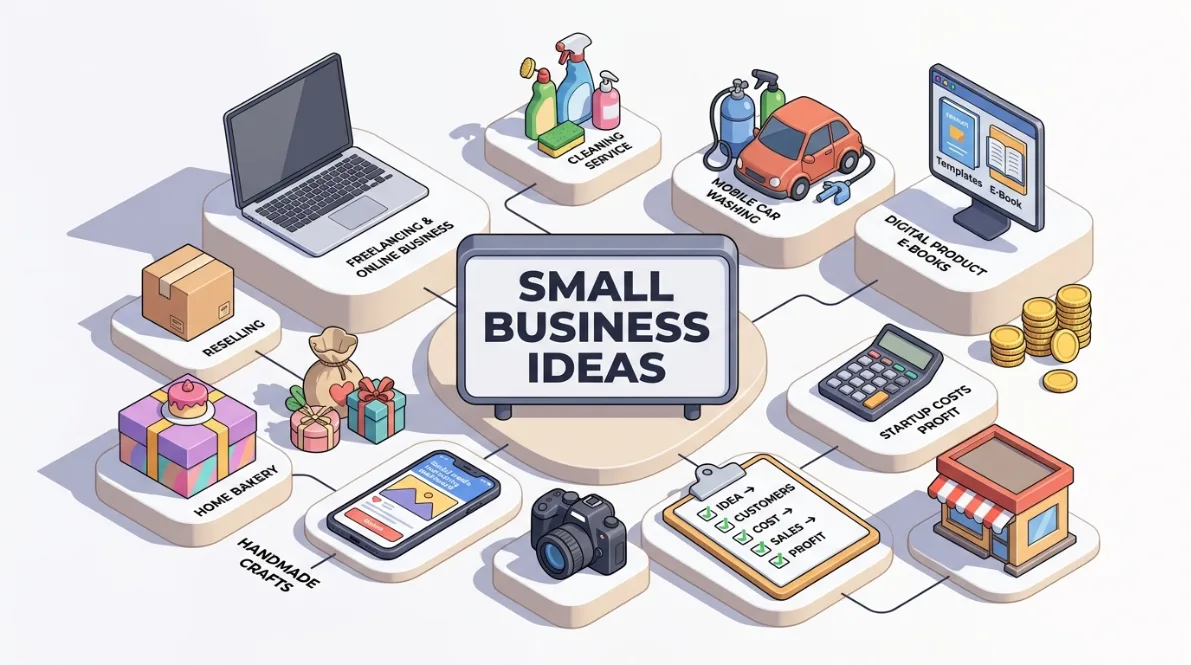
This guide covers 15 small business ideas for beginners, including low-cost, online, home-based, and service-based options.
What Makes a Good Small Business Idea?
A strong business idea should solve a problem that customers are willing to pay to solve.
Before investing your money, evaluate the idea from several angles:
- Customer demand: Do enough people need the product or service?
- Startup cost: Can you afford to launch without taking unnecessary financial risks?
- Profit potential: Can your selling price cover costs and leave a reasonable profit?
- Competition: Can you offer something different or better?
- Skills: Do you already have the skills required?
- Time: Can you manage the business consistently?
- Growth: Can you increase sales as the business develops?
You do not need a completely unique idea. Instead, find an existing demand and create a better, simpler, faster, or more convenient solution.
15 Best Small Business Ideas
Here are 15 practical business ideas that beginners can consider.
| Small Business Idea | Startup Cost | Online Potential | Business Model |
|---|---|---|---|
| Freelance services | Low | High | Service |
| Online tutoring | Low | High | Service |
| Social media management | Low | High | Service |
| Content writing | Low | High | Service |
| Graphic design | Low | High | Service |
| Virtual assistant | Low | High | Service |
| Digital products | Low | High | Product |
| Online reselling | Low-Medium | High | Product |
| Handmade products | Low-Medium | High | Product |
| Home bakery | Medium | Medium | Product |
| Cleaning service | Medium | Low | Local service |
| Pet care | Low-Medium | Medium | Local service |
| Photography | Medium | Medium | Service |
| Mobile car washing | Medium | Low | Local service |
| Fitness coaching | Low-Medium | High | Service |
1. Freelance Services
Freelancing is one of the easiest small business ideas for beginners because you can start by selling a skill you already have.
You can offer:
- SEO services
- Content writing
- Web development
- Graphic design
- Video editing
- Translation
- Data entry
- Digital marketing
Start with one specific service instead of offering everything. For example, a writer could focus on SEO blog content for finance companies.
This approach helps you build relevant experience and makes your marketing message clearer.
2. Online Tutoring
Online tutoring can work well if you have strong knowledge of a subject or professional skill.
You could teach:
- Mathematics
- English
- Science
- Programming
- Exam preparation
- Music
- Digital marketing
- Professional software
You can conduct individual classes, group sessions, or recorded courses.
A niche can make your service easier to market. Instead of simply offering “English lessons,” you could target “English speaking lessons for beginners.”
3. Social Media Management
Small companies often want to maintain active social media accounts but lack the time or expertise to manage them.
A social media management business can include:
- Content calendars
- Post creation
- Caption writing
- Basic graphic design
- Community management
- Short-form video planning
- Monthly performance reports
Choose a specific customer group when possible. You might work with restaurants, real estate agents, local stores, coaches, or online businesses.
Specialization can help you understand your customers better and create more relevant services.
4. Content Writing Business
If you enjoy writing, you can turn your skill into a home-based business.
Businesses need content for:
- Blogs
- Websites
- Product pages
- Email newsletters
- Social media
- Landing pages
- SEO campaigns
Consider choosing a niche such as finance, technology, education, travel, or e-commerce.
A specialized writer can build stronger industry knowledge and create a more focused portfolio.
5. Graphic Design
Businesses need attractive visuals to promote their products and services.
You can offer:
- Social media graphics
- Business presentations
- Brochures
- Infographics
- Product images
- Advertising creatives
- Brand identity materials
You do not need to start with dozens of services. Choose a few related services and build a portfolio around them.
Create sample projects if you do not have paying clients yet. These samples can demonstrate your skills to potential customers.
6. Virtual Assistant Services
A virtual assistant helps businesses and entrepreneurs handle routine tasks remotely.
Common services include:
- Email management
- Calendar management
- Data entry
- Online research
- Appointment scheduling
- Customer support
- Document organization
This business has relatively low startup requirements because you can operate from home with a computer and reliable internet connection.
As you gain experience, you can specialize in a particular industry or service.
7. Digital Products
Digital products offer an interesting business model because you can create a product once and potentially sell it repeatedly.
Examples include:
- E-books
- Templates
- Checklists
- Planners
- Spreadsheet tools
- Educational resources
- Design assets
- Online courses
The biggest challenge is creating something people actually want.
Research your target audience before building the product. Look for recurring questions, common problems, and tasks that customers want to complete faster.
8. Online Reselling
Online reselling involves purchasing products and selling them to customers at a higher price.
You can sell through:
- Social media
- Online marketplaces
- Your own website
- Local online communities
- Messaging platforms
Start with a small inventory rather than purchasing large quantities immediately.
Always calculate your actual profit.
Selling price − product cost − delivery − packaging − marketing = estimated profit
This calculation helps you understand whether a product actually makes money.
9. Handmade Products
If you enjoy making things, handmade products can become a creative small business.
Potential products include:
- Candles
- Jewelry
- Customized gifts
- Home decorations
- Artwork
- Crafts
- Personalized accessories
Customization can help you stand out from mass-produced products.
For example, instead of selling generic gifts, you could specialize in personalized products for birthdays, weddings, or corporate events.
10. Home Bakery
A home bakery can work well for people who enjoy baking and want to sell locally.
Possible products include:
- Birthday cakes
- Cupcakes
- Cookies
- Brownies
- Dessert boxes
- Bread
- Customized cakes
Start with a limited menu and calculate the cost of every ingredient and package.
Remember to account for your labor, delivery, utilities, and other business expenses when setting prices.
Follow local food-safety and business requirements before selling commercially.
11. Cleaning Service
Cleaning services can create repeat business because customers may need regular cleaning.
You could specialize in:
- Home cleaning
- Office cleaning
- Deep cleaning
- Move-in cleaning
- Move-out cleaning
- Post-event cleaning
Start in a manageable service area to control transportation costs.
As your customer base grows, you can hire additional workers and expand your coverage.
12. Pet Care Business
Pet owners often need trustworthy people to care for their pets when they work or travel.
You can provide:
- Pet sitting
- Dog walking
- Pet grooming
- Pet transportation
- Basic home visits
Trust matters significantly in this business.
Build credibility by communicating clearly, arriving on time, following customer instructions, and collecting genuine reviews from satisfied clients.
13. Photography Business
Photography can become a profitable service business when you develop a clear specialty.
You could focus on:
- Product photography
- Event photography
- Portraits
- Food photography
- Real estate photography
- Social media photography
A focused portfolio can help customers understand exactly what you offer.
If you already own suitable equipment, you can start by targeting a small niche instead of purchasing expensive gear immediately.
14. Mobile Car Washing
A mobile car washing business brings the service directly to customers.
You can offer:
- Exterior washing
- Interior cleaning
- Vacuuming
- Basic detailing
- Scheduled cleaning packages
Convenience can become your main competitive advantage.
For example, you could offer scheduled cleaning at a customer’s home or workplace.
Before launching, calculate equipment, transportation, water, cleaning supplies, and other operating costs.
15. Personal Fitness Coaching
If you have appropriate qualifications and experience, fitness coaching can become a service-based small business.
You can offer:
- One-on-one coaching
- Online training
- Group sessions
- Workout programs
- Accountability programs
Online coaching can allow you to serve customers outside your local area.
Stay within your qualifications and avoid making unsupported medical claims.
Best Low-Cost Small Business Ideas
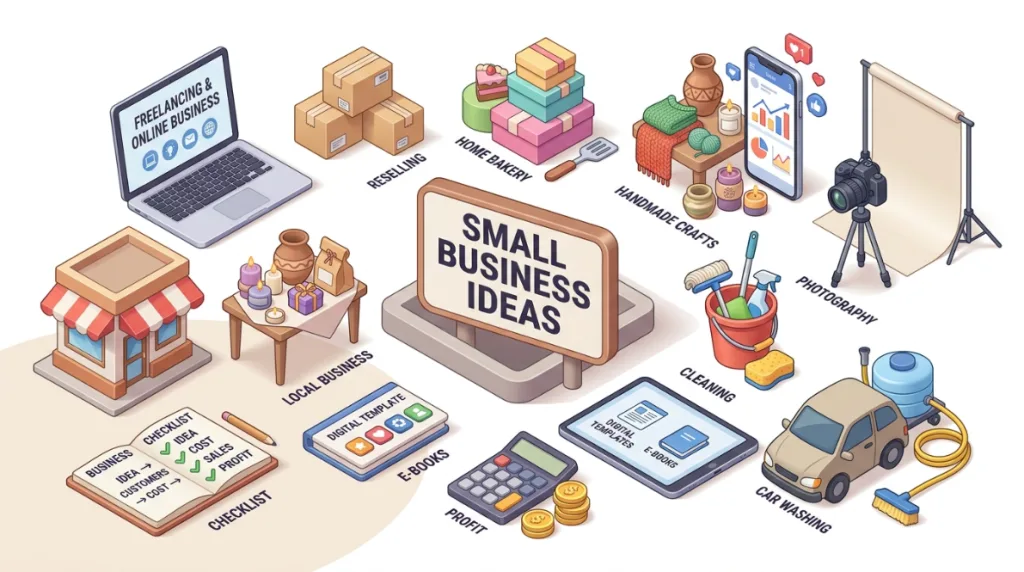
If your budget is limited, service-based businesses usually require less upfront investment than inventory-based businesses.
Consider:
- Freelancing
- Content writing
- Online tutoring
- Virtual assistance
- Social media management
- Graphic design
- Digital products
These businesses can often start with skills and equipment you already have.
However, low startup cost does not mean zero cost. You may still need internet access, software, marketing, training, or professional tools.
Best Small Business Ideas From Home
Working from home can reduce expenses such as office rent and commuting.
Some suitable options include:
- Content writing
- Graphic design
- Online tutoring
- Virtual assistance
- Social media management
- Digital products
- Online reselling
- Handmade products
- Home bakery
Check local rules if your business involves food production, customers visiting your home, or other regulated activities.
Best Online Small Business Ideas
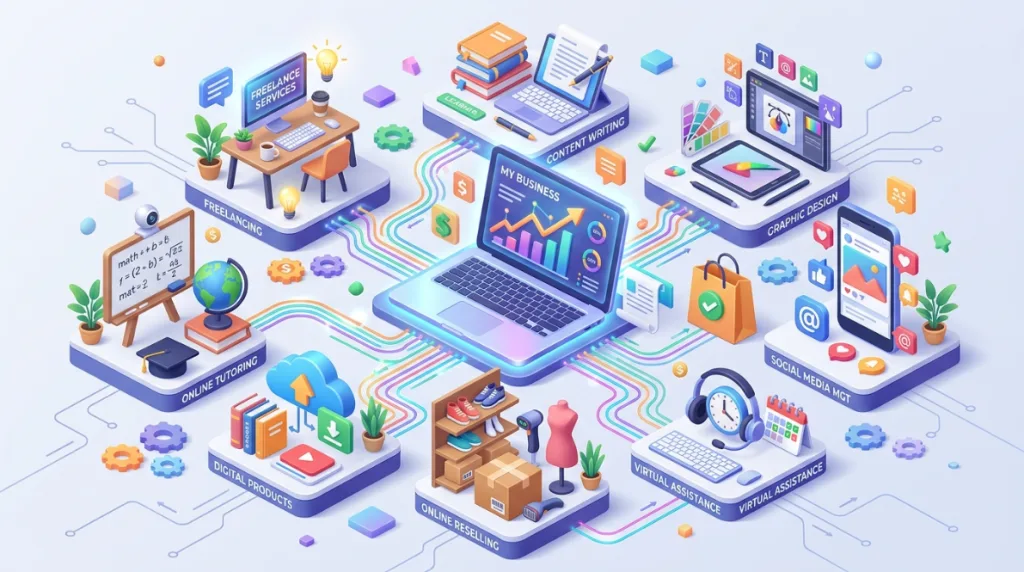
Online businesses can give you access to customers beyond your local area.
Some strong options include:
| Online Business | Main Skill |
|---|---|
| Freelancing | Professional skill |
| Content writing | Writing |
| Online tutoring | Teaching |
| Graphic design | Design |
| Social media management | Marketing |
| Virtual assistance | Organization |
| Digital products | Product creation |
| Online reselling | Sales |
Choose a model that matches your existing abilities rather than chasing every online business trend.
How to Choose the Right Small Business
Choosing the right idea becomes easier when you follow a structured process.
Step 1: Identify Your Skills
Write down the skills you can confidently sell.
Think about your professional experience, hobbies, technical knowledge, and practical abilities.
Step 2: Find a Customer Problem
Look for problems people regularly experience.
Ask:
- What frustrates potential customers?
- What takes too much of their time?
- What service do they struggle to find?
- What products do they regularly purchase?
A clear problem gives your business a stronger starting point.
Step 3: Research the Competition
Study businesses that already serve your target customers.
Look at their:
- Prices
- Services
- Customer reviews
- Marketing
- Product quality
- Strengths
- Weaknesses
Use this research to identify opportunities. Do not simply copy another business.
Step 4: Test Demand
Do not invest heavily before you know whether customers will buy.
You can test an idea by:
- Talking to potential customers
- Creating a simple social media page
- Offering a small service package
- Taking pre-orders
- Running a limited launch
- Creating a basic landing page
Real customer interest provides better evidence than assumptions.
Step 5: Calculate Your Costs
List your expected expenses before launching.
| Expense | What to Consider |
|---|---|
| Equipment | Tools, computer, camera, etc. |
| Inventory | Products or materials |
| Marketing | Ads and promotion |
| Software | Business applications |
| Packaging | Boxes, bags, labels |
| Delivery | Transportation and shipping |
| Website | Domain and hosting |
| Emergency fund | Unexpected expenses |
Keep your initial spending under control until your business proves its demand.
How to Start a Small Business With Little Money
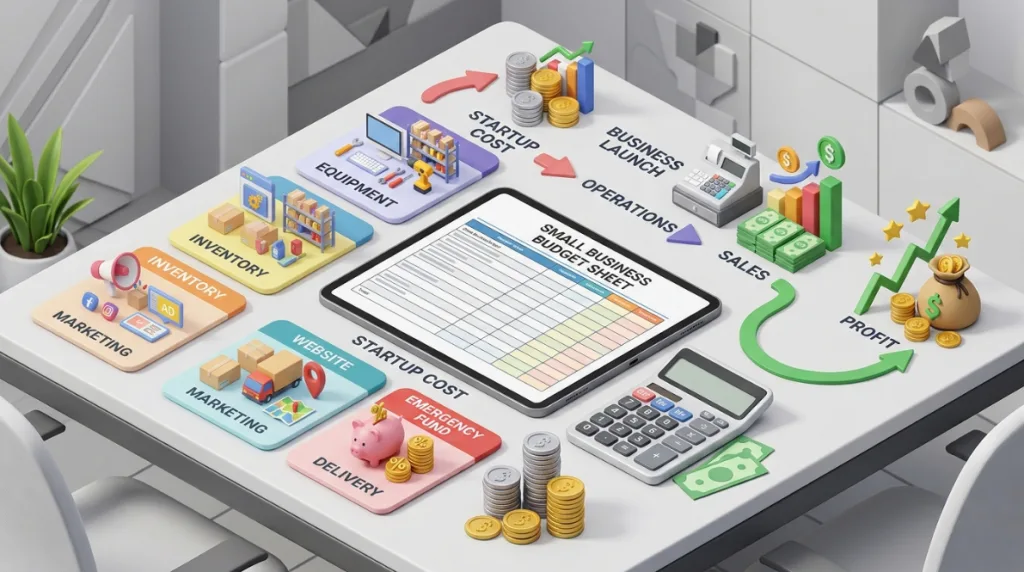
You can reduce your financial risk by starting with a lean model.
Follow these principles:
- Start with one product or service.
- Use existing skills and equipment.
- Avoid unnecessary subscriptions.
- Test demand before purchasing large inventory.
- Use organic marketing where possible.
- Track every business expense.
- Separate business and personal finances.
- Reinvest part of your profit.
- Improve your offer based on customer feedback.
- Expand only when demand supports expansion.
Your first goal should not be to look like a large company. Your first goal should be to create a repeatable way to acquire customers and generate profit.
How to Get Your First Customers
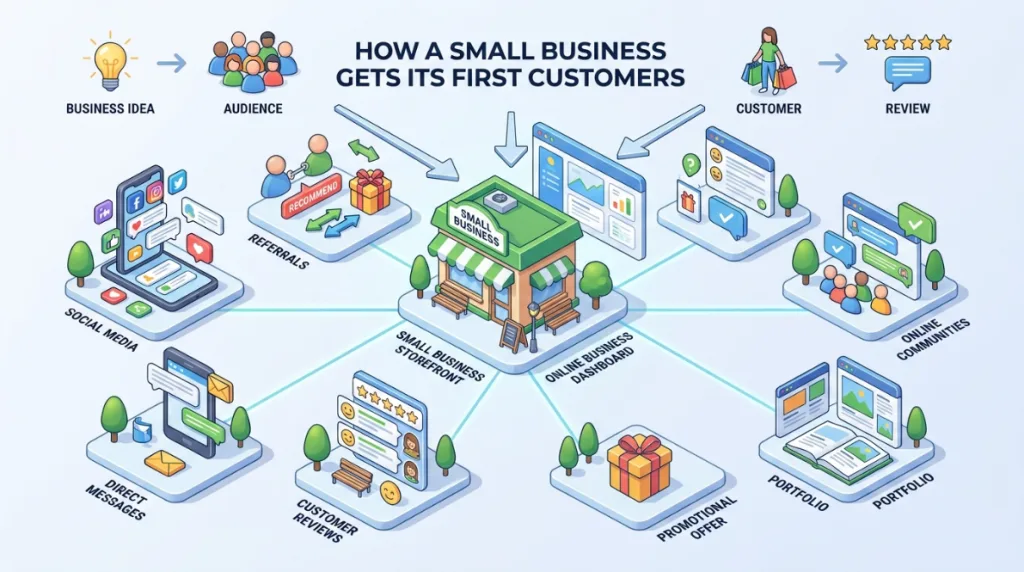
Getting the first customers can feel difficult, but you can use several practical methods.
Use Your Existing Network
Tell people what you offer. Friends, former colleagues, professional contacts, and local communities can sometimes provide your first leads.
Build a Simple Portfolio
Show potential customers what you can do.
For service businesses, create sample projects if necessary.
Use Social Media
Publish useful content related to your business. Demonstrate your expertise instead of posting only sales messages.
Ask for Referrals
A satisfied customer can introduce your service to another potential customer.
Offer a Clear Starter Package
Make your first offer simple. Customers should understand what they receive, how much it costs, and what problem it solves.
Common Small Business Mistakes
Avoiding common mistakes can protect your time and money.
Spending Too Much Before Testing
Do not purchase expensive equipment or large inventory before confirming demand.
Ignoring Profit Margins
High revenue does not guarantee high profit. Always track your costs.
Trying to Serve Everyone
A clearly defined audience often makes marketing easier.
Competing Only on Price
The cheapest option does not always win. Focus on value, reliability, quality, speed, or convenience.
Neglecting Customer Service
Good customer service can encourage repeat purchases and referrals.
Mixing Personal and Business Money
Keep business income and expenses organized from the beginning. This makes financial tracking much easier.
Frequently Asked Questions
What is the best small business idea for beginners?
There is no single best idea for everyone. Freelancing, tutoring, virtual assistance, content writing, and social media management can work well for beginners because they can start with relatively low upfront costs.
What is the cheapest small business to start?
Skill-based services usually require the least upfront investment. Freelancing, writing, tutoring, virtual assistance, and social media management are examples.
Can I start a small business from home?
Yes. Many businesses can operate from home, including writing, design, tutoring, virtual assistance, digital products, reselling, and some food or handmade-product businesses. Local regulations may apply to certain home-based activities.
How much money do I need to start a small business?
The amount varies significantly by business type. A service business may require little more than equipment and internet access, while a product-based business may require inventory, packaging, storage, and delivery costs.
How do I know if my business idea will work?
Test the idea before making a large investment. Talk to potential customers, study competitors, offer a small version of your service, and measure actual customer interest.
Is an online business better than a local business?
Neither model is automatically better. An online business can reach a wider audience, while a local business can build strong relationships within a specific area. Choose the model that matches your skills and target customers.
Final Thoughts
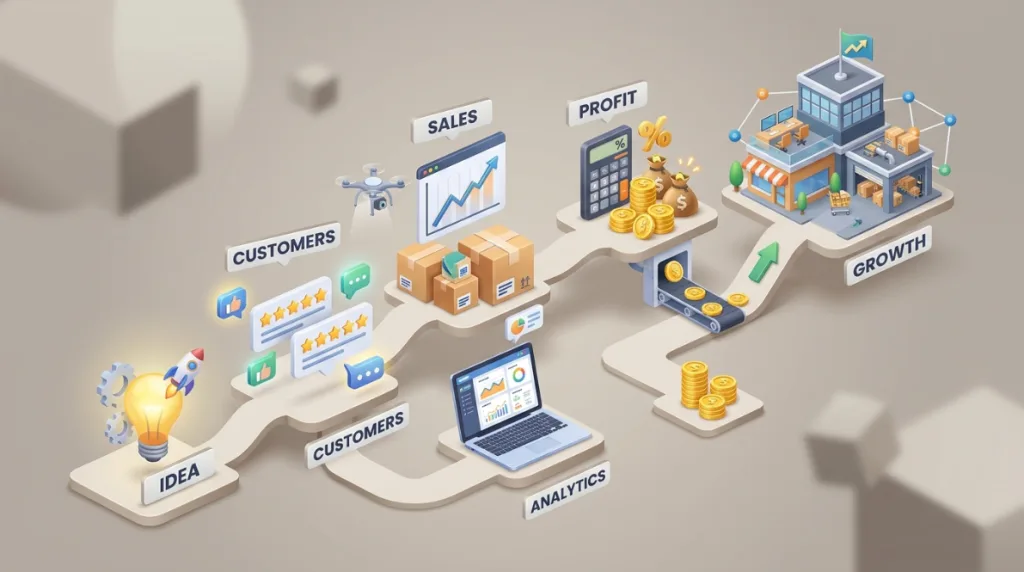
The best small business ideas do not always require a large investment or an innovative invention. A simple solution to a real customer problem can become a strong business when you deliver it consistently.
Start with an idea that matches your skills, budget, and available time. Research your market, test customer demand, calculate your costs, and improve your offer based on real feedback.
Most importantly, do not invest heavily just because an idea looks profitable on paper. Start small, validate the demand, track your numbers, and scale when the business earns the right to grow.

Leave a Reply