

In this article
- Why the Right Questions Matter More Than a Great Rental Listing
- How to Run the Roommate Interview
- Section 1: Money, Rent, and Lease Questions
- Section 2: Chores, Cleanliness, and Daily Habit Questions
- Section 3: Social Life, Guests, Noise, and Partner Questions
- Section 4: Boundaries, Values, and Conflict-Style Questions
- Section 5: Pets, Allergies, Health, and Safety Questions
- Section 6: Questions Specific to College and Dorm Living
- Red Flags: Answers That Suggest Walking Away
- Before You Sign: The Written Roommate Agreement Checklist
- Six Questions to Ask Yourself Before You Say Yes
- Frequently Asked Questions
- Final Thought
TL;DR: Asking the right questions before moving in protects your budget, sleep, and sanity. Cover rent, bills, lease liability, chores, quiet hours, guests, pets, and conflict style; check references; then write house rules. This guide gives 75 questions, a red-flag table, and a signing checklist.
A potential roommate interview is a focused, two-way conversation about how two people will share money, space, routines, and privacy. The questions you ask now decide whether the next lease year feels like a bargain or a daily headache. Most disputes start with unspoken assumptions about bills, dishes, noise, and overnight guests, not drama.
This guide organizes the most useful questions into six practical categories, adds the warning signs that deserve a hard pass, and ends with a checklist for the paperwork stage. Use the list as a conversation guide, not an interrogation script. Share your own answers too, because a good fit works both ways.

Why the Right Questions Matter More Than a Great Rental Listing
Shared housing keeps millions of households affordable, but compatibility still drives satisfaction. Official Census data show that nonfamily households—including rooms shared with nonrelatives such as roommates—grew from about 19% of all U.S. households in 1970 to roughly 36% in 2022, while “other nonfamily” households built around housemates rose from about 2% to about 7% over the same period (see the Census Bureau’s living arrangements report). Renter demand for shared living keeps rising because rent remains the largest household expense for most people.
The money side matters first. SmartAsset’s 2026 analysis of 100 large U.S. cities found that splitting a two-bedroom apartment with one roommate versus renting a one-bedroom alone saved the average renter about $541 per month, or nearly $6,500 per year. In New York City the gap reached roughly $1,730 per month; in Cleveland, about $550 (see the savings study). Those savings vanish fast when a roommate cannot cover rent or skips utilities.
What Goes Wrong Most Often
Housing-industry surveys compiled by property managers rank the same conflict areas again and again: cleanliness and chores, noise levels, guest policies, bill splitting, and food sharing. Exact percentages vary by survey, so treat them as directional rather than exact science. The practical takeaway stays the same: ask about the five topics below before you agree to live together.
| Conflict area | Typical trigger | Why to discuss it early |
|---|---|---|
| Chores and cleanliness | Different definitions of “clean” and uneven dish habits | Resentment builds fast in shared kitchens and bathrooms |
| Noise and sleep | Early birds, night owls, gaming, and loud music | Poor sleep affects work, school, and mood daily |
| Guests and partners | Frequent visitors or partners effectively moving in | Loss of privacy, higher utility use, and unfair costs |
| Money and bills | Late rent, unclear splits, missing receipts | One person can end up covering another’s share |
| Food and belongings | Missing groceries, borrowed items without asking | Small slights turn into trust problems over months |
How to Run the Roommate Interview
Set up the conversation for honest answers. Meet in a public place first—a coffee shop, library, or busy common room. If the arrangement moves forward, tour the current space if possible. Ask open-ended questions, listen for consistency, and compare their story with references.
Treat the conversation as mutual screening. Share your own budget, schedule, and dealbreakers. Pay attention to how they respond to discomfort: curiosity and compromise are good signs; defensiveness, vague answers, and pressure to decide quickly are not.
Questions About Their Background and References
These opening questions verify basic credibility before you dive into household rules.
- What brings you to this area, and how long do you plan to stay in the city?
- What do you do for work or school, and what does a typical week look like?
- Have you lived with roommates before? What did you like and dislike about that experience?
- Can you share a reference from a former roommate, landlord, or supervisor?
- Would you be comfortable with a basic background or credit check if the building requires one?
- How would your former roommate describe your habits with bills, noise, and guests?
Contact the references they provide. Ask former roommates or landlords directly whether rent arrived on time, whether the unit was left clean, whether guests caused problems, and whether they would live with the person again. Online safety resources recommend verifying identity, meeting in person, and never sending money before you see the unit; review the FTC’s scam warning signs and the Apartments.com safety checklist before you exchange any deposit details.
Section 1: Money, Rent, and Lease Questions
Money ranks among the most common sources of roommate conflict, so handle it before anything feels awkward. Listen for steady income, clear payment habits, and willingness to write things down. Watch for anyone who dodges budget questions or pushes unconventional payment methods.

Rent and Income Stability
- How do you prefer to split rent—evenly, by bedroom size, or by income?
- What monthly rent fits your budget, and what total housing cost (rent plus utilities) feels comfortable?
- Do you have a steady income, and can you show recent pay stubs or bank records if asked?
- Have you ever missed or been late on rent or utilities? What caused it, and how did you fix it?
- How long have you held your current job or program, and how stable is it over the lease term?
- If your income dropped for a month, how would you cover your share without falling behind?
Lease, Liability, and Deposits
Legal status matters more than many new renters realize. Under most residential leases with several signers, joint and several liability can hold each tenant responsible for the full rent, not just one share. Ask the questions below before anyone signs.
- Will your name appear on the main lease, or will you sublet from the primary tenant?
- Do you understand that co-signers may owe the full rent if another roommate defaults?
- Who collects the security deposit, how is each person’s share documented, and how will refunds be divided when the lease ends?
- What happens if you need to move out early? How much notice will you give, and who approves a replacement roommate?
- Are you willing to complete the landlord’s rental application, including any credit or background screening they require?
- Who pays for damage caused by your guests or your belongings, and how would that be deducted?
Utilities and Shared Spending
- How should we split electricity, water, gas, internet, and any shared streaming subscriptions?
- Whose name will each utility account sit under, and what date is each payment due?
- Which household basics do we share—toilet paper, cleaning supplies, light bulbs, trash bags—and which items stay personal?
- How do you prefer to settle up: bank transfer, a bill-splitting app, or a shared spreadsheet?
- How should we handle extra costs from frequent guests, such as higher water or internet use?
- Would you use simple budgeting apps or a shared expense tracker to keep the record transparent?
For everyday tracking, free apps and spreadsheets remove most he-said-she-said arguments. If you want support choosing money-management tools, this curated set of budgeting apps covers options worth comparing for shared spending.
Section 2: Chores, Cleanliness, and Daily Habit Questions
Lifestyle friction rarely announces itself. It shows up as dishes left overnight, bathroom timing, thermostat debates, and forgotten laundry. These questions map the routines that decide whether the home feels calm or cluttered.
Cleaning Standards and Chore Division
- How clean do you keep your current bedroom, and what does “clean” mean to you personally?
- How often do you deep-clean the bathroom, kitchen, and shared living areas?
- What is your policy on dishes in the sink overnight—rinse now, or a weekly clean?
- What is your biggest cleaning pet peeve, and which habits would you call a dealbreaker?
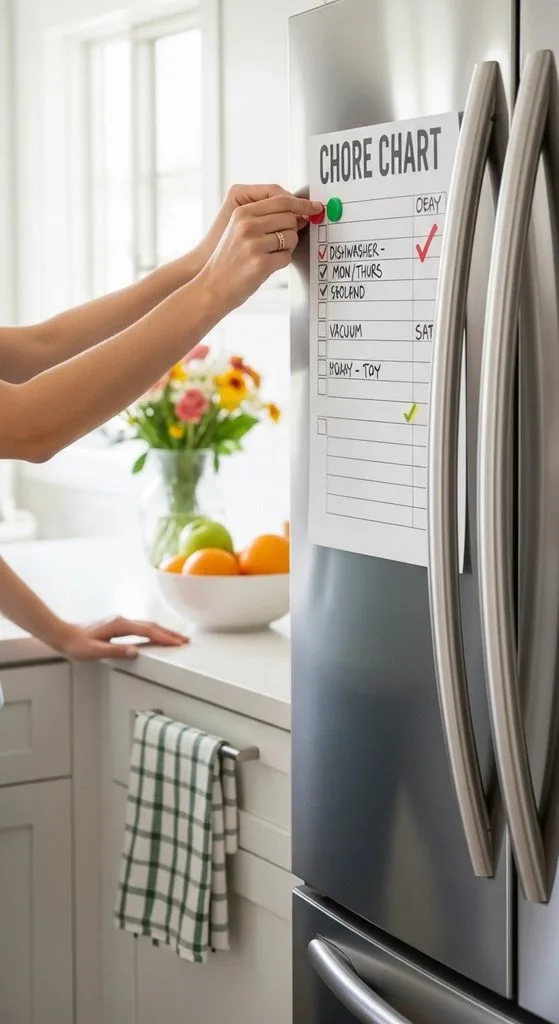
- Would you agree to a written chore rotation or a visible chore chart for common areas?
- If one person cooks often, how should cleanup and kitchen supplies be split fairly?
Kitchen, Food, and Diet
- How often do you cook at home, and how often do you eat out or order delivery?
- Do we share groceries and staples, label food separately, or keep fridge and pantry shelves fully separate?
- How do you feel about someone borrowing condiments, oil, spices, or snacks without asking?
- Do you have food allergies, dietary restrictions, or strong smells (garlic, fish, spices) that affect shared cooking?
- Who restocks shared staples when they run out, and how do we avoid duplicate purchases?
Schedules, Noise, and Home Comfort
- Are you an early bird or a night owl? What time do you usually wake up and go to sleep?
- What temperature do you like at home, and how will we compromise to keep utility bills reasonable?
- How often do you work or study from home, and do you need a quiet, reliable workspace?
- How long do you typically spend in the bathroom during the morning rush?
- Do you smoke or vape indoors, and how often do you drink or use substances at home?
- Do you play music, TV, games, or instruments loudly, and are headphones your default in shared space?
Section 3: Social Life, Guests, Noise, and Partner Questions
A lively home can be wonderful, but one person’s game night can be another person’s sleepless night. This section clarifies how social the apartment should feel, who stays over, and when quiet hours apply.

Friendship Style and Social Expectations
- Do you want a close friend-like roommate, or a respectful arrangement with separate lives?
- How often do you host friends, dinners, or casual gatherings at home?
- How often do you go out on weeknights and weekends, and how does that affect the apartment?
- Do you enjoy shared activities such as movie nights and meals, or do you prefer privacy after work?
- How do you feel about shared furniture, decorations, and one cohesive style for common rooms?
Guests, Partners, and Quiet Hours
- What is your overnight-guest policy: how often, how much advance notice, and maximum consecutive nights?
- Does a partner stay over regularly? If so, should that partner contribute to shared utilities or groceries?
- What quiet hours do you expect on weeknights and weekends, especially during sleep and study times?
- Are parties, alcohol, or larger groups ever acceptable, and what rules would surround them?
- Do you keep late hours, travel frequently, or enter the building after midnight? How do we handle door codes and lock routines?
- How do you want visitors introduced to shared spaces, bathrooms, and any restricted bedroom areas?
Section 4: Boundaries, Values, and Conflict-Style Questions
Shared living depends on trust and communication. Even two tidy people can clash over conflict style, so ask about values, privacy, and how a candidate handles friction.

Communication and Conflict Resolution
- How do you prefer to resolve disagreements—talk it out right away, or take time to cool off first?
- How would you respond if I raised a small annoyance early, rather than letting it build into resentment?
- What are your absolute dealbreakers for a home, from smoking and noise to politics and cleanliness?
- Have you ever dropped passive-aggressive hints instead of speaking up? How do you handle that habit now?
Privacy, Belongings, and Past History
- What does privacy mean to you: knocking before entering, closed bedroom doors, personal storage space?
- Which personal items are off-limits to borrowing—clothes, chargers, makeup, tools, snacks, or medications?
- How did your previous roommate arrangement end, and what part did you play in the outcome?
- What did you like most and least about your last living situation, and what would you change?
- What does a good roommate mean to you, and which qualities do you personally bring to the home?
- How do you handle stress, a bad workday, or a rough emotional stretch that might spill over into shared space?
Section 5: Pets, Allergies, Health, and Safety Questions
Pets, allergies, and safety habits affect physical comfort and even legal compliance. Cover these topics before the lease starts, because late discoveries are hard to reverse.
Pets, Allergies, and Health Needs
- Do you currently own a pet, plan to adopt one soon, or strongly prefer an animal-free home?
- Who handles feeding, walks, vet visits, hair cleanup, and pet-related deposits or monthly fees?
- Do you have allergies to pets, dust, mold, strong fragrances, or specific foods that require accommodations?
- Are there medical devices, medications, or regular appointments that the household should know about?
- What emergency contact information should we keep on the fridge, and how do we reach each other in a crisis?
Safety and Household Rules
- Are you comfortable with the building’s smoke-free policy, fire rules, and any pet restrictions?
- How do you usually lock doors and windows, and what is your routine when guests enter and leave?
- Do you have any habits—long trips away, heavy equipment, DIY repairs, or new appliances—that could affect safety or insurance?
- How would you report a maintenance problem or an emergency (lockout, leak, alarm) to the landlord and to me?
Section 6: Questions Specific to College and Dorm Living
Dorm life adds tight quarters, shared bathrooms, class schedules, campus rules, and lower budgets. College roommate questions focus less on long-term finances and more on study rhythm, sleep, and conduct standards.
- What is your major, your class schedule, and your usual study window around midterms and finals?
- How do you study best—in silence, with background music, or away in the library?
- Do you bring a car, bike, gaming console, printer, or musical instrument that needs space and power?
- What are the dorm’s official quiet hours, and how strictly will you keep them during exam weeks?
- How do we split shared dorm supplies: microwave, mini-fridge, rugs, lamps, hangers, and storage bins?
- How do you coordinate shared bathroom times, shower habits, and laundry machines on busy evenings?
- Are you joining clubs, Greek life, athletics, or campus events that shift your weekly routine?
- What is your stance on alcohol, overnight visitors, and campus conduct policies in the residence hall?
- How often do you travel home on weekends or holidays, and who waters plants, feeds pets, or collects packages while you are away?
- What is your approach to conflict if we share one small room for a full semester?
Red Flags: Answers That Suggest Walking Away
Not every awkward answer kills the arrangement, but some patterns deserve serious hesitation. Use the table below as a screening tool. Remember that one weak answer can be discussed; a cluster of red flags usually predicts a painful lease.
| Category | Red-flag signal | Why it creates risk |
|---|---|---|
| Money | Dodges budget questions, lacks proof of income, proposes gift cards, crypto, or wire transfers | You may cover unpaid bills or lose a deposit to a rental scam |
| References | Blames every former roommate and offers no contacts to call | Past conflict rarely has one-sided causes |
| Boundaries | Dismisses your noise, guest, or cleanliness concerns as “too strict” | Compromise will not happen after move-in |
| Cleanliness | Treats chore questions as a joke; current space looks chaotic on a tour | Shared areas decay quickly without standards |
| Guests | A partner already stays most nights; no willingness to discuss limits | Privacy and utility costs become unfair fast |
| Communication | Silent treatment, sarcasm, or refusal to write down house rules | Small issues escalate into unresolved resentment |
| Pressure | Urges you to decide today, refuses a video call or in-person meeting, rents far below market | Typical warning signs of a fake listing or rushed decision |
Before You Sign: The Written Roommate Agreement Checklist
A roommate agreement sits between roommates; it does not replace the landlord lease, but it records how you split costs and handle departures. Legal guides note that courts often enforce its financial clauses, such as rent and utility shares, even though the document does not bind the landlord. Review Nolo’s overview of roommate agreements and Apartment List’s agreement guide before drafting your own.
Use this checklist to cover the essentials on paper:
| Topic | What the agreement should record |
|---|---|
| Rent allocation | Each person’s share, due date, and who pays the landlord |
| Security deposit | Each contributor’s amount, documentation, and refund split |
| Utilities | Electric, water, gas, internet, and streaming splits plus the account holder |
| Shared supplies | Communal groceries or cleaning items versus personal purchases |
| Chores | Rotation schedule, responsibility for common areas, and cleaning standard |
| Guests | Notice required, overnight limits, and rules for frequent partners |
| Noise and quiet hours | Daily quiet windows, headphone expectations, and gathering limits |
| Pets and smoking | Permission, pet duties, fees, allergies, and indoor smoking ban |
| Early move-out | Notice period, replacement-approval process, and rent responsibility until replacement |
| Conflict process | How issues get raised, who mediates, and emergency contacts |
| Damage and purchases | Who owns shared furniture, and how accidental damage gets handled |
Before signing, run one final verification: confirm the listing address online, tour the unit or join a live video tour, avoid wiring deposits before a signed lease, and keep copies of every payment. These steps protect you whether you choose a professional roommate platform, a friend referral, or a casual connection.
Six Questions to Ask Yourself Before You Say Yes
Your own answers matter as much as theirs. Reflect privately before committing.
- Which two or three dealbreakers would make me decline no matter how friendly the person seems?
- Can I realistically afford my share if income shifts, a repair bill appears, or travel costs hit?
- Does their routine respect my sleep, work, and study needs?
- Do I feel comfortable raising a problem with this person in the first week, not month six?
- Would I trust them with keys, mail, and access to my personal belongings?
- If this arrangement ended early, would I be financially and emotionally prepared to move or find a replacement?
Frequently Asked Questions
What questions should I ask a potential roommate first?
Start with money and reliability: rent budget, steady income, past payment history, lease status, and references. Then cover sleep schedule, cleanliness, guests, and conflict style. Those areas predict most roommate problems, so resolve them early.
How many questions should I ask before signing a lease?
Use 30 to 60 targeted questions across money, chores, social habits, boundaries, and safety. Quality beats length: a focused conversation on dealbreakers, finances, and references works better than a rapid-fire checklist.
What are the biggest red flags in a roommate interview?
Watch for vague or defensive money answers, blame for every past roommate, refusal to provide references, dismissal of your boundaries, pressure to decide immediately, and resistance to any video call or in-person meeting. Unusually cheap rent plus requests for wire transfers or gift cards signals a likely rental scam.
Do I need a written roommate agreement if the main lease covers the apartment?
Yes. The lease binds tenants to the landlord, but a roommate agreement records internal rules: rent shares, deposits, utilities, guests, chores, pets, and move-out terms. Written documents reduce arguments and often support enforcement of financial obligations in a later dispute.
How should we split rent fairly between roommates?
Options include equal splits, room-size pricing based on square footage or ensuite access, and income-based adjustments. Equal splits suit similar rooms; larger or nicer bedrooms usually carry a higher share. Record the method, due date, and account holder in the agreement.
What questions matter most for college roommates or dorms?
Prioritize study schedule, sleep timing, quiet hours, noise tolerance, bathroom and laundry habits, guest and alcohol policy, shared supplies, and how conflicts get resolved. Campus conduct rules also apply, so confirm expectations about visitors, parties, and respect for residence-hall standards.
Is it okay to ask for references or a background check?
Yes. Request contacts from former roommates or landlords, ask specific questions about payment and cleanliness, and complete screening through the landlord or a reputable service when the building requires it. Frame requests professionally; responsible candidates usually understand that shared housing involves mutual trust.
How do I ask uncomfortable money or cleanliness questions without seeming rude?
Use neutral framing: “I want us both to feel clear before we commit,” then share your own answer first. Phrase topics as shared systems—a payment app, a chore chart, a guest calendar—rather than accusations. Curiosity and transparency feel different from suspicion.
Final Thought
Finding a good roommate follows a simple process: prepare a list, listen carefully, verify claims, and write down agreements. These questions cover the practical decisions that shape daily life, but your gut matters too. Keep looking if someone brushes off your concerns, changes their story, or pushes for a fast decision. The right candidate answers openly, matches your lifestyle, and treats the talk as a team effort.



Leave a Reply